
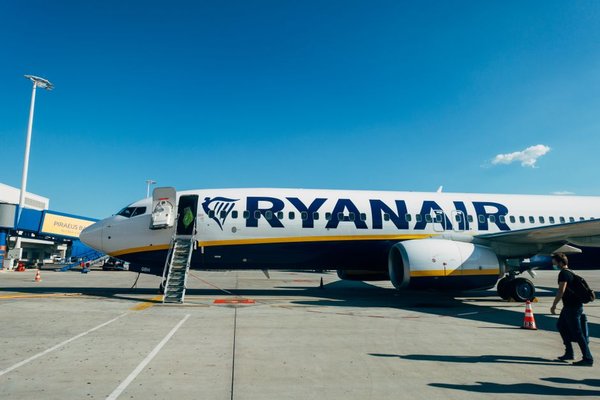
A £19 flight is only a bargain when the final booking still feels cheap. Budget airlines keep headline fares low by charging separately for cabin bags, hold luggage, seat selection, airport check-in and priority boarding. The most useful budget airline hacks are therefore not secret discount codes. They are practical ways to understand the rules, avoid unnecessary extras and compare the complete cost before paying.
For UK travellers, price the whole journey rather than the first number on screen. A dearer ticket can work out cheaper once baggage, seats and airport transport are included.
Compare the final basket, not the headline fare
Open the same route with two or three airlines and take each booking far enough to see a realistic total. Add only what you genuinely need, then compare the final figures. Baggage charges are often applied per flight sector, so a bag may need to be paid for on both the outbound and return journeys.
This is one of the most dependable cheap flight booking tips. A £30 flight can become more expensive than a £70 alternative after luggage and seat fees. The UK Civil Aviation Authority says compulsory charges must be included in the displayed fare, but optional extras still change the final price during booking.
Choose your baggage strategy before choosing a fare
Decide whether you can travel with an under-seat bag, need an overhead cabin case or require hold luggage. Then compare the fare or bundle that matches that plan. Adding baggage online before travel is generally safer than arriving with an oversized bag and facing a higher airport or gate charge.
Measure for the airline you are actually flying
Cabin allowances are not interchangeable. Current Ryanair rules include one small personal bag with the basic fare, up to 40 x 30 x 20 cm. Priority options add a 10 kg overhead bag up to 55 x 40 x 20 cm. By comparison, easyJet baggage rules allow one under-seat bag up to 45 x 36 x 20 cm and 15 kg, provided the traveller can lift it.
A case accepted by easyJet may therefore fail Ryanair’s bag sizer. Measure it fully packed, including handles, wheels and bulging pockets. A soft backpack can be easier to fit than a rigid case, but it must still sit comfortably inside the permitted dimensions.
Run a home bag-sizer test
Mark the airline’s maximum width and depth on the floor, use a wall for height and place the packed bag inside the outline. Wear bulky footwear or a coat, fill shoes with small items and decant toiletries into genuinely small containers. Keep handbags and airport purchases in mind, because some basic fares allow only one item in total.
Pay for seats only when the benefit matters
Seat selection is worthwhile when travelling with children, needing extra legroom or wanting certainty. It is not essential for every solo passenger. One of the simplest Ryanair tips is to accept free random allocation when the exact seat does not matter. Ryanair currently opens free random-seat check-in from 24 hours until two hours before departure.
Couples and groups should not assume random allocation will place them together. Decide whether sitting side by side is worth the fee. On a short flight, keeping the money may be sensible; when travelling with a young child, paying can be the better-value decision.
Treat check-in deadlines as money deadlines
Low cost airline fees often apply when a task is completed at the airport instead of online. Set a phone reminder for check-in and finish it well before the deadline. Ryanair requires online check-in to be completed more than two hours before scheduled departure to avoid its airport check-in fee, subject to route-specific exceptions. easyJet online check-in runs from 30 days until two hours before departure.
Store the boarding pass in the official airline app and check whether your departure airport accepts mobile passes. After changing a flight or adding a service, confirm whether you need to check in again. Review passport details carefully too, because correcting a name or document mistake can cost more than the fare.
Use comparison sites to search, then consider booking direct
Flight-search tools are useful for discovering routes, but booking with the operating airline usually makes baggage, check-in, disruption notices and changes easier to manage. Some third-party reservations require extra verification before access.
Before paying, remove insurance, priority boarding, transfers or seat choices you do not need. Save the confirmation email and take a screenshot of the final price breakdown. That record helps if an optional service is charged incorrectly.
Include airport transport in the calculation
A remote airport or awkward departure time can erase the saving from a cheap ticket. Compare train, coach, fuel, parking and taxi costs before choosing between airports. A 6:00 am flight may require a hotel or expensive taxi, while a midday departure from a closer airport could cost less overall.
Use the same logic for arrival. A late landing after public transport stops can add more than the difference between two fares. The best budget airline hacks protect the entire travel budget, not just the amount shown in search results.
Know your rights when a flight is disrupted
For flights departing the UK, passenger-rights rules can require rerouting or a refund after cancellation, plus reasonable care such as meals or accommodation when applicable. Compensation may also be due for qualifying delays or cancellations, depending on the cause and timing.
Keep itemised receipts for reasonable expenses and use the airline’s official channels. Do not automatically accept a voucher when you prefer a cash refund and are entitled to one.
A five-minute real-world comparison
Imagine two Manchester-to-Malaga returns. Airline A advertises £58, while Airline B shows £82. Airline A then adds £48 for the cabin bag you need, £20 for seats and £18 extra airport transport. Airline B includes the bag, uses a closer airport and lets you skip seat selection. The supposedly expensive fare is now cheaper. This simple comparison is more reliable than chasing the lowest headline price.
Frequently asked questions
When should I add baggage?
Add the correct baggage during booking or online before reaching the airport. Prices vary, but airport and gate charges are commonly higher than advance options.
Can I take a handbag as well as my free cabin bag?
Do not assume so. On many basic fares, the allowance is one item in total, meaning a handbag or laptop bag must fit inside it.
Is priority boarding worth it?
It can be good value when it includes the overhead cabin bag you need. Paying only to join an earlier queue usually offers less benefit.
Do baggage rules stay the same?
No. Dimensions, weights and bundles can change. Recheck the operating airline’s official rules shortly before every trip.
Make the complete journey your target price
Budget flying works best when every add-on is deliberate. Compare the complete return cost, pack to the exact dimensions, check in online, control the booking directly and include airport transport. Those habits turn low fares into genuine savings and prevent a cheap flight from becoming an expensive lesson at the gate.