
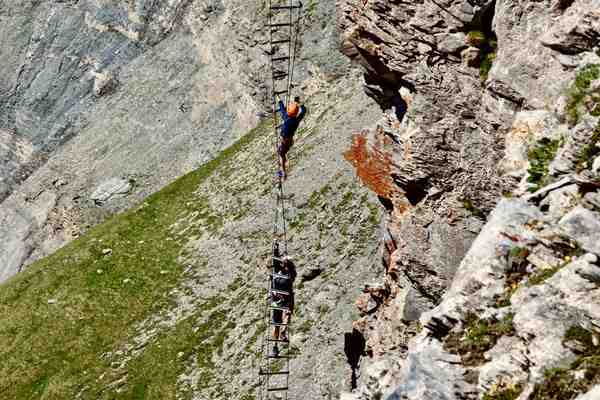
The first surprise on a via ferrata is how quickly a mountainside stops looking like a distant view and becomes somewhere you are actually moving. One minute you are standing on ordinary ground; the next, you are stepping onto metal rungs above a steep drop. For anyone comparing unusual adventure activities, a via ferrata UK trip mixes climbing, exposure and scenery without requiring previous rock-climbing experience on many guided routes.
That accessibility does not make it effortless or risk-free. Knowing how the session works, what the equipment does and which route suits your confidence makes choosing a first trip easier.
What actually happens on a via ferrata?
Via ferrata means “iron path”. Routes use fixed features such as steel cables, rungs, ladders and sometimes bridges to help people travel across steep rock. You wear a climbing harness connected to a specialist via ferrata lanyard system, allowing you to follow the protected route while remaining attached as instructed.
It feels different from indoor climbing. Instead of searching for tiny handholds, you often have obvious metal steps, but there may be substantial air beneath your feet. Some sections climb upwards; others traverse sideways. Being comfortable with exposure can matter as much as having strong arms.
How a guided session unfolds
Arrival, equipment and briefing
Expect to check in, meet your instructor and be fitted with a helmet, harness and specialist lanyard. The guide explains the route and how to move past fixed cable attachment points. Pay particular attention: an energy-absorbing lanyard is designed to reduce forces in a fall, not prevent falling or guarantee freedom from injury.
Many venues offer practice before the exposed sections. Tell the instructor if you have never used a harness, have a relevant injury or feel anxious about heights.
Moving onto the rock
Progress is usually deliberate rather than fast. You may step across narrow rungs, climb ladders or cross an airy bridge. Follow the instructor’s clipping procedure precisely; never improvise attachments. The pace often slows at transitions because participants need space to move.
Imagine reaching a traverse where the rock drops sharply below your boots. A useful technique is to look towards the next foothold, move steadily and avoid gripping harder than necessary. Listening to the guide matters more than looking fearless.
Where can you try via ferrata in the UK?
There are relatively few commercial routes compared with continental Europe, and their characters differ. Check current operator information before booking.
Honister, Lake District, England
Honister Slate Mine offers a guided Via Ferrata Classic above Borrowdale, designed as an accessible introduction for participants who meet its requirements. The Xtreme alternative includes more exposed climbing and aerial features, including a wire bridge. For a first via ferrata England outing, compare both descriptions instead of selecting the more dramatic name automatically.
How Stean Gorge, North Yorkshire
At How Stean Gorge, the route crosses limestone cliffs above a narrow gorge. The guided experience combines high-wire features with an abseil, feeling more like a multi-element adventure session than a mountain ascent. It suits visitors seeking several challenges in one booking.
Kinlochleven, Scottish Highlands
Near Kinlochleven, guided routes beside the Grey Mare’s Tail waterfall involve fixed climbing aids and views of cascading water. The setting creates a memorable sense of exposure. Allow for an approach and return walk, and check the provider’s participation requirements.
How fit do you need to be?
You generally do not need advanced climbing technique for an introductory guided via ferrata, but expect sustained movement. Legs do much of the stepping, while hands, shoulders and core help maintain balance. Nervous tension can make gripping particularly tiring.
Ask about steep climbing, session length, rest opportunities and whether retreat is possible. Someone who happily hikes for hours may still find an exposed bridge difficult. Conversely, someone new to climbing may manage the movement but need encouragement at height.
Beforehand, walk uphill regularly and practise controlled step-ups. If you have relevant health or mobility concerns, discuss them with the operator before paying.
What to wear and bring
Choose grippy, closed-toe shoes or walking boots for uneven, potentially wet surfaces. Wear flexible layers that allow you to lift your knees and reach overhead. Pack waterproof clothing when advised, even if the car park feels warm. Avoid dangling accessories that could interfere with equipment.
Operators commonly provide protective equipment, but confirm this. Gloves may improve comfort on metal rungs; ask whether they are recommended. Bring water and a snack for before or after the session, and follow rules about bags, phones and cameras while climbing.
A hiking clothing checklist and a beginner’s guide to climbing fitness can help you prepare without buying unnecessary equipment.
Choosing the right level of adventure
The biggest mistake a via ferrata beginner can make is assuming “no experience required” means “no challenge involved”. Read the route description carefully. Look for terms such as overhanging, exposed, narrow bridge and strenuous, then picture yourself handling those features above the ground.
For a first via ferrata experience UK trip, a guided session with an introductory briefing is sensible. Check minimum age, height, harness-fit limits, group size, meeting point, cancellation conditions and expected duration. Requirements differ between venues.
Weather matters. Wet metal and strong winds can change the experience, and operators may alter or cancel sessions for safety. If the forecast is uncertain, confirm arrangements before travelling. A guide to planning a Lake District adventure weekend can also help you build a flexible itinerary.
Frequently asked questions
Is via ferrata suitable for complete beginners?
Yes, some guided routes welcome people with no previous climbing experience. Suitability still depends on exposure, physical demands and each operator’s requirements.
Is a via ferrata safer than rock climbing?
Fixed aids and specialist equipment make some terrain accessible, but do not eliminate danger. Falls can cause serious injury. Instruction, suitable equipment and careful movement are essential.
How long does a UK via ferrata take?
Many commercial sessions take roughly two to four hours including briefings and access walks, but itineraries vary. Check the total time before arranging transport.
Can you go if you are scared of heights?
Mild nerves are common, but panic on exposed terrain may make participation unsuitable. Tell the provider beforehand and never feel pressured into a harder route.
A first climb worth remembering
The appeal of via ferrata is not just reaching a viewpoint. It is discovering how different a landscape feels when you move through it rung by rung. Choose a route that matches your comfort with height, follow your guide and prepare for the weather. The reward is an adventurous day with more substance than a quick adrenaline rush.