
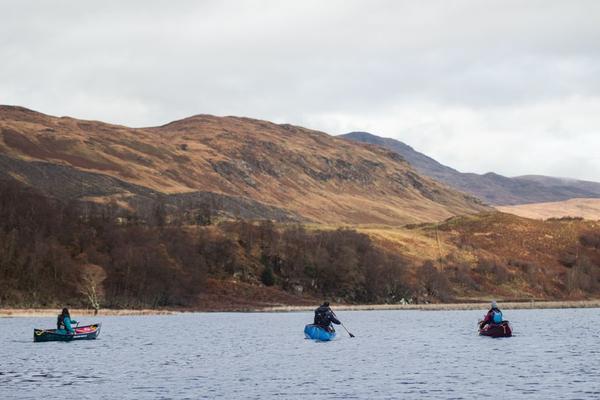
Scotland can feel surprisingly far from civilisation just a few miles beyond a railway station, harbour or single-track road. The appeal of wilderness trips in Scotland is not simply empty scenery. It is the chance to travel through wide glens, peat-dark moorland and mountains where the next shelter or easy exit may be hours away. That freedom is rewarding, but it asks for more preparation than a conventional walking holiday.
These ideas range from a manageable introduction to remote country to demanding backpacking routes, with ways to decide which suits your experience.
Match the wilderness to your skills
Think about how you will reach the starting point, whether you can follow a path in poor visibility, and what happens if heavy rain blocks a river crossing. A short route over rough, pathless ground can take longer than a greater distance on a maintained trail. For your first remote Scotland trip, choose an outing with a clear return option before attempting a multi-day crossing.
Remote places worth building a trip around
Corrour and Loch Ossian: isolation without a long drive
Corrour railway station on the West Highland Line has no public road access, making it a memorable way into the landscape between Rannoch Moor and the central Highlands. From the station, the track around Loch Ossian offers a straightforward introduction to remoteness. The circuit is approximately 14.5 kilometres, but train times must shape the day.
Arrive on an early service, walk the circuit and leave generous time for your return train. Experienced walkers can consider nearby hills, although boggy ground and pathless sections increase difficulty. Check railway timetables and accommodation arrangements rather than assuming a late departure or available bed.
Knoydart: reach a wild peninsula by boat or on foot
Knoydart sits between Loch Nevis and Loch Hourn, with Inverie accessible only by sea or a substantial walk. A passenger boat from Mallaig offers a gentler entry to this rugged peninsula. Once inland, glens and steep hills provide a genuine Highlands wilderness trip.
Build a two-day plan around a modest inland route rather than treating a summit as compulsory. Check boat schedules, forecasts and accommodation before departing. Strong winds can disrupt crossings, while rough terrain makes distances deceptive. Experienced backpackers may prefer a longer walk-in, but must plan resupply and exits carefully.
Fisherfield: a serious challenge beyond Shenavall
North-west of Ullapool, Fisherfield earns its reputation as the Great Wilderness. Walkers commonly approach the Shenavall area from Corrie Hallie, then explore remote glens and ridges. The full high-level circuit is strenuous, with steep terrain, bog and river crossings; it is not a casual weekend hike.
A more sensible introduction may be a walk to the Shenavall area and back, if conditions and navigation skills permit. Do not assume the bothy has space or supplies. Carry independent shelter if camping, check land-management information, and turn back rather than cross a swollen river. Here, restraint is better judgement than reaching another summit.
Cape Wrath Trail: attempt a section before the whole route
The Cape Wrath Trail passes through some of Scotland’s most remote walking country between Fort William and the far north-west. It has no single official line and is not waymarked throughout. It is a route-planning undertaking, not simply a long signposted footpath.
Instead of committing immediately to the entire journey, experienced hikers can research a shorter section with known access and exits. Identify settlements, supplies and overnight stops on a map. The ability to adjust for poor weather matters more than an ambitious mileage target.
Make the logistics part of the adventure
Remote hiking in Scotland often begins with an awkward connection: a limited train service, infrequent boat or long approach from roadside parking. Work backwards from your final transport departure. Calculate walking time conservatively, allow for bog and navigation stops, and identify an alternative if the first plan fails.
Take Corrour as an example. If your train leaves in the afternoon, set a firm turnaround time around Loch Ossian rather than chasing another viewpoint. If you are behind schedule, return by the known route while you have daylight. Build confidence with a map and compass navigation guide before trying pathless terrain.
Sleeping out responsibly
Scotland’s outdoor access rights generally include responsible lightweight wild camping in small numbers for two or three nights in one place, away from roads and buildings. The Scottish Outdoor Access Code requires campers to leave no trace, respect communities, manage human waste properly and avoid damaging fires. Use a camping stove and follow local fire guidance.
Restrictions matter. In designated Camping Management Zones in Loch Lomond and The Trossachs National Park, camping between 1 March and 30 September normally requires an authorised campsite or permit. Check rules for your exact location. Bothies are basic shelters rather than bookable accommodation; never rely on finding one empty or equipped.
Navigation, weather and essential kit
Scottish wilderness hiking demands more than a route displayed on a phone. Carry an appropriate paper map and compass, know how to use them, and bring a charged phone with offline mapping plus backup power. Poor visibility erases landmarks; rain can make a small burn unsafe to cross.
Check a mountain-specific forecast, not only the nearest town’s weather. Tell someone your route, expected return and what to do if you are overdue. Take waterproof layers, warm clothing, a headtorch, spare food, first-aid essentials and emergency protection. Overnight trips require water treatment and a suitable sleeping system. Winter snow and ice demand additional equipment and skills; a summer itinerary cannot be assumed safe year-round.
For preparation, a wild camping in Scotland guide and a mountain weather checklist can turn a broad idea into a realistic route.
Frequently asked questions
Where is the best place for a first Scottish wilderness trip?
Corrour and Loch Ossian offer striking isolation with a defined track and rail access. Check train times, weather and your ability to complete the circuit.
Can you wild camp anywhere in Scotland?
No. Responsible lightweight camping is widely permitted under access rights, but there are exclusions, seasonal byelaws and duties to protect land and wildlife. Check the specific area before pitching.
When is the best time for remote hiking in Scotland?
Late spring to early autumn often offers longer daylight, although rain, winds and midges affect trips. Winter introduces shorter days and serious snow and ice hazards.
Do I need a guide for remote routes?
Not always, but a qualified guide or navigation course is sensible if you lack experience with pathless terrain, river crossings or poor visibility. Choose a route that fits your current skills.
Plan for flexibility, not just distance
The best wilderness trips in Scotland leave room for slower ground, changing skies and peaceful glens worth lingering in. Start with an achievable route, respect local access rules and prepare to change plans. Remoteness feels better when you know you can get home safely.