
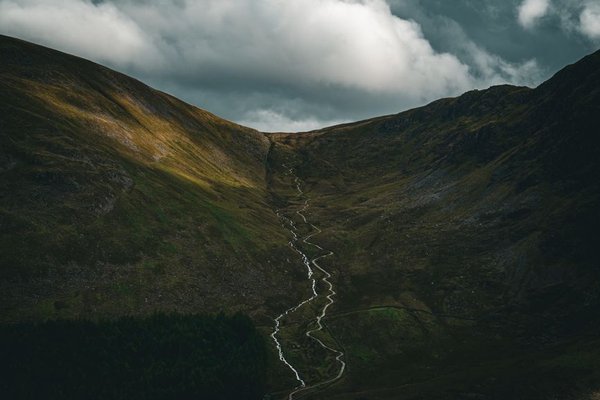
The best hiking trails in the UK are not necessarily the highest or longest. A memorable adventure break might mean a sunrise above a Welsh valley, a Lake District fell or two days following the sea. The trick is matching the landscape to your time, fitness and appetite for exposure. These routes offer a starting point for discovering Britain’s mountains, coastlines and long-distance paths.
Mountain hikes worth building a weekend around
Yr Wyddfa via the Llanberis Path, Eryri, Wales
Yr Wyddfa (Snowdon) is a natural choice for walkers seeking mountain trails in the UK. The Llanberis Path is approximately 14.5km return, and Eryri National Park grades it hard and strenuous, allowing about seven hours. It is less technically demanding than some summit approaches but still involves substantial ascent, exposed conditions and navigation. Start early, carry layers and check the mountain forecast rather than relying on the weather in Llanberis village. Stay locally and explore a quieter valley the following day.
Cat Bells, the Lake District, England
Cat Bells proves that a modest summit can feel like a big adventure. Its rocky ridge rises above Derwentwater, with wide views towards Keswick and Borrowdale. Short scrambling sections involve using your hands, so it is not a flat family stroll. The surrounding lake paths offer a gentler alternative if the summit is slippery or windy. A Keswick base lets you combine a morning on Cat Bells with an afternoon beside the water. Explore our Lake District walking routes guide for more ideas.
Pen y Fan and Corn Du, Bannau Brycheiniog, Wales
For a satisfying half-day challenge, the National Trust’s circular route from Pont ar Daf covers approximately 6.4km and takes around three and a half hours. The climb to Pen y Fan is steady, and the exposed tops can feel cold even when the car park is mild. Adding Corn Du makes the skyline more interesting than simply reaching the highest point and returning. Choose a clear day for the views and allow extra time for wet ground.
Coastal trails for scenery that keeps changing
South West Coast Path, England
The 630-mile South West Coast Path runs from Minehead around Devon and Cornwall to Poole Harbour. Few visitors need to tackle the entire trail. Pick a section according to your preferred scenery: Exmoor’s wooded coastline, Cornwall’s rugged headlands or Dorset’s dramatic geology. A stretch that looks short on the map can involve repeated climbs down to coves and back up again. Plan around ascent as well as mileage, and check official diversion notices before setting out.
Pembrokeshire Coast Path, Wales
Stretching 186 miles from St Dogmaels to Amroth, this National Trail links cliffs, beaches, estuaries and small coastal communities. It works well for a walking weekend because you can choose an individual stage rather than commit to an end-to-end trip. Northern sections can be steep, while some southern sections offer a gentler pace. Check local bus arrangements before booking a linear walk, and never assume that a beach shortcut will be passable at high tide.
Causeway Coast Way, Northern Ireland
Running roughly 33 miles between Portstewart and Ballycastle, the Causeway Coast Way combines beaches, cliffs, historic landmarks and the Giant’s Causeway area. Fit walkers often plan it over two days, but shorter stages are equally rewarding. Parts of the route use roads, and official guidance has identified diversions near the Ballintoy–Ballycastle section. Check current directions carefully, particularly where traffic and missing footpaths are concerns. This is adventure walking with a strong sense of place rather than constant mountain climbing.
Long-distance routes that also reward short visits
West Highland Way, Scotland
Scotland’s West Highland Way travels 96 miles from Milngavie to Fort William. The scenery changes dramatically, beginning near Glasgow, passing Loch Lomond and continuing towards Rannoch Moor and Glen Coe. You do not have to complete it in one holiday: stations at places such as Tyndrum and Bridge of Orchy make selected stages practical. A weekend around these sections offers Highland atmosphere without carrying a week’s supplies. Our West Highland Way planning guide can help you compare stages.
South Downs Way, southern England
The South Downs Way covers roughly 100 miles between Winchester and Eastbourne, following rolling chalk hills and open ridgelines. Compared with the UK’s rugged uplands, it is approachable for a first multi-day walk, though exposed wind, long climbs and limited shade still matter. Railway connections around nearby towns can support a section-by-section trip. Its mix of downland, ancient tracks and village stops makes it a strong option for walkers who prefer steady progress to technical scrambling.
How to choose the right hiking break
Start with available time rather than a famous summit. One day suits a circular route; a weekend allows a challenging walk followed by something shorter; a full week opens up longer UK hiking routes. Compare distance, ascent, path surface, transport and daylight, not just photographs. A five-mile mountain route may demand more energy than ten miles across easier ground.
For example, a two-night break in Keswick could pair Cat Bells on Saturday with a lower-level Derwentwater walk on Sunday. If heavy rain and strong winds are forecast, swap the order or use the lakeshore option instead. That flexibility turns a potentially disappointing trip into a good walking holiday.
For longer walking holidays in the UK, book accommodation and check luggage-transfer options early, especially in small villages. Carry water, food, waterproofs, suitable footwear and an offline map; on remote hills, navigate without relying on a phone signal. Check national park or trail websites for conditions and closures. Winter snow and ice can turn an ordinary summer walking route into a mountaineering undertaking.
Frequently asked questions
What are the best hiking trails in the UK for beginners?
Consider shorter, well-marked sections of the South Downs Way or a gentle lakeshore walk near Keswick. Choose a realistic distance and elevation gain. Popular summits such as Yr Wyddfa are not automatically beginner-friendly.
Which UK hiking routes are best for a long weekend?
The Causeway Coast Way can suit a two-day itinerary for fit walkers, while the Pembrokeshire Coast Path and West Highland Way offer stages that can be combined into a weekend. Plan transport between the start and finish first.
When is the best time to go hiking in the UK?
Late spring to early autumn generally offers more daylight, but rain and wind are possible in every month. Coastal walks can be excellent outside summer; mountain routes require closer attention to weather, visibility and seasonal snow.
Do I need specialist equipment for UK mountain trails?
Summer hillwalking requires appropriate footwear, waterproof clothing, spare warmth, navigation equipment and emergency essentials. Snow, ice or exposed technical terrain may demand specialist skills and equipment; choose an easier route if you lack that experience.
Find the route that fits your kind of adventure
Britain’s hiking variety is the real attraction. You can trade a dramatic summit for a peaceful headland, tackle a single Highland stage or return to the same long-distance path over several trips. Pick a route that leaves room for weather changes and unexpected stops. The best adventure break is the one you can enjoy fully, not merely finish.