
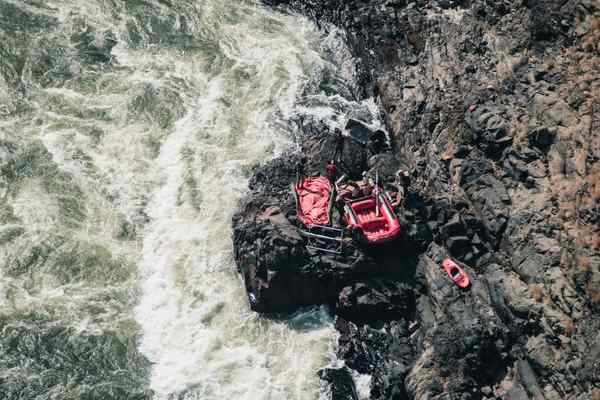
Scotland’s rivers make a memorable change from the usual Highland road trip. One morning you might be walking beneath pine-covered hills; a few hours later, you’re paddling through foaming water with a guide calling instructions from the back of a raft. White water rafting in Scotland is accessible to first-timers, but choosing the right river matters more than simply choosing the biggest rapids.
Where to Go White Water Rafting in Scotland
River Tay: A Welcoming Introduction
Perthshire’s River Tay is one of the best-known choices for a first rafting experience. Trips around Aberfeldy and Grandtully combine calmer stretches, where crews learn to paddle together, with livelier rapids. The precise section and difficulty depend on conditions and the operator’s route. The Tay is especially appealing to mixed-experience groups.
River Tummel: A Bigger Summer Challenge
Near Pitlochry, the River Tummel offers a more intense outing. Commercial descents commonly feature Grade 3 water and a Grade 4 double-drop finish at the Linn of Tummel. It’s an exciting option for adventurous newcomers who meet the operator’s fitness and age requirements, rather than an automatic choice for every family.
Many Tummel rafting sessions operate on summer weekends, typically June to September, because they depend on releases from the Clunie hydroelectric scheme. Never assume a particular date guarantees a launch: confirm the current schedule and river assessment with your provider.
River Findhorn and Other Highland Options
The River Findhorn, accessible from the Inverness and Cairngorms area, attracts visitors looking for a wilder Highland setting. Its rafting opportunities depend heavily on rainfall and river levels, and operators select appropriate stretches for the conditions and participants.
The River Spey can offer gentler guided outings, while some providers also use the River Garry when release conditions permit. Ask which route is suitable on your chosen day. For further ideas, see our guide to Highland outdoor adventures.
When Is the Best Time to Go?
There isn’t one perfect season for rafting Scotland’s rivers. Spring and autumn often bring higher natural flows, especially after rain, but more water doesn’t necessarily mean a safer or better beginner trip. It may increase the difficulty or make a planned section unsuitable.
Summer tends to offer more comfortable changing conditions and longer daylight hours. Rain-fed rivers may run low during dry spells, whereas dam-controlled routes can follow planned release windows. Winter rafting is possible with some operators, but shorter days, cold water and weather disruptions deserve extra consideration.
Check forecasts close to departure and keep your schedule flexible. Scottish Environment Protection Agency river information and published water-release schedules can provide useful context; your rafting guide makes the final go-or-no-go decision for the session.
Matching the Trip to Your Experience
River grades describe the challenge of the water, not a guaranteed experience for every person. Broadly, Grade 2 involves straightforward rapids, Grade 3 requires more manoeuvring, and Grade 4 presents more powerful, demanding features. A commercial rafting provider will assess more than the headline grade, including the flow, obstacles, crew and available safety cover.
If it’s your first outing, say so when booking. Ask how much paddling is involved, whether swimming confidence is required and what happens if somebody becomes tired or nervous. Age and health restrictions vary by operator and river; never assume a family-friendly advertisement applies to every session.
Guided rafting Scotland experiences generally involve active teamwork, not a passive ride. You’ll be expected to listen, paddle when asked and follow instructions promptly. If your group prefers a gentler day, choose a suitable Tay or Spey route instead of the most dramatic descent.
What Happens During a Guided Session?
Most white water rafting trips begin at an activity base or agreed meeting point. After registration, staff fit protective equipment, explain the route and cover basic commands. You may then travel by minibus to the river, practise paddling on calmer water and begin the descent with an experienced guide.
Expect a briefing on how to sit securely, hold your paddle and respond if you fall into the water. Some trips include swimming practice or additional drills. A qualified raft guide’s role includes reading the river, coordinating the crew and making decisions when conditions change.
What to Wear and Bring
Most commercial providers supply a helmet, buoyancy aid and suitable wetsuit or other thermal protection. Confirm what’s included. Wear swimwear or a close-fitting base layer beneath the equipment, plus secure footwear approved for getting wet. Take a towel, spare socks and warm clothes for afterwards. Avoid loose jewellery and valuables.
Scottish river water can be cold even on sunny days. The RNLI warns that sudden immersion in water below 15°C can trigger cold-water shock, affecting breathing and movement. Proper equipment and following your guide’s instructions are essential; a warm forecast isn’t a substitute for either.
Building Rafting into a Scotland Adventure Holiday
Here’s a practical example: if you’re staying near Pitlochry for two nights in July, reserve a Tummel session on an eligible release weekend, then leave the rest of that day relatively open. Plan a woodland walk or café visit afterwards rather than scheduling another strenuous activity immediately. If the trip changes because of river conditions, ask whether a suitable Tay outing is available instead.
Travelling with younger children or cautious first-timers? Base your Scotland rafting holiday around Aberfeldy and book a gentler river option. Our guide to planning an active Scottish weekend offers ideas for combining rafting, hiking and sightseeing without overpacking the schedule.
When comparing operators, look beyond the photograph of the biggest waterfall. Ask about guide qualifications, equipment, participant limits, included transport, cancellation terms and arrangements for changing river levels. Booking a reputable guided session is far wiser than attempting an unfamiliar white-water route independently.
Frequently Asked Questions
Can beginners try white water rafting in Scotland?
Yes. Several operators offer introductory guided trips, particularly on suitable sections of the Tay or Spey. Tell the provider about your experience and swimming confidence so they can recommend an appropriate session.
Is white water rafting available all year?
Some Scottish rafting routes are offered year-round, weather and conditions permitting. Others, including many River Tummel commercial trips, follow summer dam-release schedules. Confirm availability directly before travelling.
Do I need to know how to swim?
Requirements differ between providers. A buoyancy aid is standard equipment, but it doesn’t remove the risks of cold, moving water. Ask the operator about swimming confidence, medical considerations and participant eligibility before booking.
How long should I allow for a rafting trip?
Many guided sessions take a few hours in total, including a briefing and transfers. Check whether the advertised time refers to the entire activity or just the river section, and allow additional time for changing.
Make the River Part of the Journey
The appeal of white water rafting in Scotland isn’t only the adrenaline. It’s seeing familiar Highland landscapes from water level, learning to move as a crew and finishing with a story that feels distinctly tied to the place. Choose the river that fits your group, respect changing conditions and leave room for the unexpected. A well-planned guided descent can be the highlight of an active Scottish itinerary.