
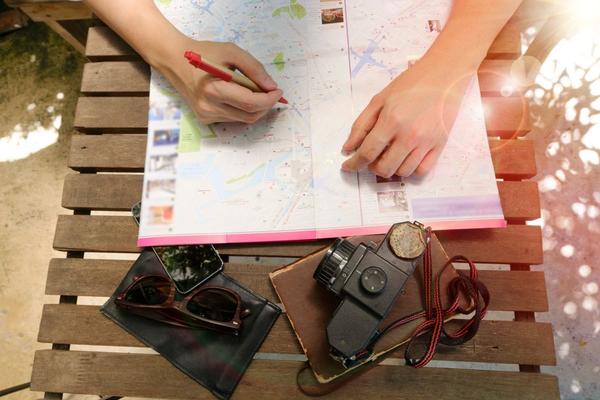
For years, holidays were treated like a challenge: how many cities, landmarks and restaurant bookings could be squeezed into one week? In 2026, more UK travellers are questioning that pace. Slow travel replaces the rushed itinerary with something calmer: fewer bases, longer stays and enough unplanned time to notice where you actually are.
The appeal is not simply doing less. It is travelling with more intention. A slower trip can still feel luxurious, adventurous and culturally rich, but the experience is built around depth rather than distance. You unpack properly, learn the rhythm of a neighbourhood and leave space for recommendations that never appear on a pre-booked schedule.
What Slow Travel Really Looks Like
Slow travel is flexible rather than prescriptive. It might mean spending ten nights in one region instead of dividing them between three countries. It could involve taking a train between two carefully chosen bases, renting a cottage for a fortnight or returning to the same café each morning.
Mindful travel changes the questions you ask. Instead of “What must I see?”, begin with “How do I want this trip to feel?” Rested, curious, connected and comfortable are all valid answers. Once that feeling is clear, it becomes easier to remove unnecessary transfers and choose experiences that suit your interests.
Slow Travel Holiday Ideas for 2026
Choose One Region, Not an Entire Country
A country can be too large to understand in one holiday, so focus on a single region. In Italy, that might be Puglia rather than a race through Rome, Florence and Venice. In Spain, consider Asturias or Andalucía with one main base and a few easy day trips. Regional travel gives you variety without repeatedly packing and checking out.
Plan a Two-Base Rail Holiday
Rail journeys encourage a gentler pace because the journey becomes part of the experience. Choose two well-connected places and divide your time between them. Paris and Annecy, Amsterdam and Utrecht, or Zurich and Lucerne can work without a complicated chain of connections. Leave at least four nights in each base.
Book a Longer Coastal Stay
Longer stay holidays work well by the sea, where daily life can remain simple. Rent an apartment near a walkable town, shop locally and alternate planned outings with quiet beach or reading days. The Algarve, selected Greek islands, the Croatian coast and quieter parts of Mallorca can suit this approach, depending on season and transport.
Try a UK Slow-Travel Break
You do not need a long flight to slow down. A week in Northumberland, the Scottish Highlands, Pembrokeshire or the Lake District can feel more restorative than a packed overseas itinerary. Choose accommodation near a village or small town and build the week around walking, food and one or two major outings.
Stay Somewhere With a Weekly Rhythm
A strong slow-travel base has ordinary life as well as visitor attractions. Look for a market day, independent shops, local cafés, evening walks and reliable transport. Smaller university cities, spa towns, wine regions and historic market towns often provide more texture than purpose-built resorts.
Build the Holiday Around One Interest
Give the trip a gentle theme without turning it into a rigid programme. You might explore regional food, gardens, architecture, ceramics, photography or coastal walking. One interest helps you make meaningful choices while leaving room for rest. Our guide to luxury rail journeys is a natural next read for travellers seeking comfort without constant flying.
Use Bespoke Holiday Planning Selectively
Bespoke holiday planning is most useful when it reduces friction rather than fills every hour. A specialist can arrange a well-located hotel, scenic rail connection, airport transfer and one memorable private experience, while leaving the rest open. This can be valuable for multi-generational trips, accessibility needs or destinations requiring advance transport coordination.
A Practical Slow-Travel Itinerary
Imagine a ten-night trip to northern Portugal. Instead of adding Lisbon, Porto, the Douro Valley and several coastal towns, spend six nights in Porto and four in the Douro. In Porto, choose a residential neighbourhood within easy reach of the centre. Plan one major sight each day, keep one day free and revisit places you enjoy.
Travel to the Douro by train, then stay in one property rather than moving between wine estates. Book one guided experience, one long lunch and perhaps a river trip. The remaining time can be used for walking, reading and enjoying the landscape. You still experience culture, food and scenery without four hotel changes.
How to Plan Without Overplanning
Set a maximum of two accommodation bases for a one- or two-week holiday. Check transfer times door to door, not just flight or train duration. A “short” connection can consume most of a day once checkout, luggage, station travel and waiting are included.
Reserve elements that could genuinely sell out, then protect open space. Aim for one fixed activity per day and at least one unscheduled day for every four days away. Choose accommodation with laundry access, comfortable seating and nearby food shops, because practical comforts matter on longer stays.
Before travelling abroad, check current FCDO advice, confirm entry requirements and arrange suitable travel insurance as soon as you book. Our foreign travel preparation checklist and guide to choosing a peaceful luxury hotel are useful internal resources when shaping a calmer trip.
Frequently Asked Questions
Is slow travel more expensive?
Not necessarily. Longer accommodation bookings may offer better nightly value, while fewer transfers can reduce transport costs. Premium apartments, private guides and flexible rail tickets can raise the budget, so decide where comfort matters most and spend deliberately.
How long should a slow-travel holiday be?
A week can work if you remain in one base. Ten to fourteen nights gives more room for two bases and proper rest days. Slow travel is defined more by pace and depth than by a fixed number of days.
Can families enjoy slow travel?
Yes. Children often benefit from fewer travel days, familiar routines and accommodation with space to relax. Choose a walkable base, limit long transfers and involve everyone in selecting a small number of priority experiences.
What is the best destination for slow travel in 2026?
The best choice is somewhere that rewards staying put. Look for walkability, good local food, easy day trips and accommodation suited to daily living. A lesser-known region you genuinely want to understand is often better than a famous destination chosen only for a checklist.
A Calmer Way to See More
The most rewarding slow travel holiday ideas are not empty itineraries. They are thoughtfully edited ones. By choosing fewer destinations, staying longer and planning around how you want to feel, you create room for discovery without making exhaustion part of the price.
Slow travel 2026 is an invitation to stop measuring a holiday by the number of places visited. One region, explored with time and curiosity, can leave a stronger memory than five cities seen through train windows and hotel lobbies.