
Long flights have a strange way of changing how the body feels. What starts as mild stiffness in the airport can slowly turn into swollen ankles, aching calves, or that heavy-leg sensation travelers know too well after hours in a cramped seat. Even experienced travelers who pack carefully and know every airport shortcut often underestimate how tiring extended air travel can be on circulation.
That is one reason compression socks for flying have become increasingly common among travelers of all ages. Once associated mostly with medical patients or older adults, compression socks are now worn by business travelers, athletes, frequent flyers, and even casual vacationers heading overseas.
The appeal is fairly simple: people want to arrive at their destination feeling less exhausted, less swollen, and a little more comfortable after spending ten or twelve hours in the air. And while compression socks are not exactly glamorous travel gear, they have quietly become one of those practical items many travelers end up appreciating more than expected.
Why Flying Affects Circulation
Air travel creates a perfect environment for circulation problems, especially on long-haul routes. Sitting still for extended periods reduces normal blood flow in the legs. Cabin pressure changes and dehydration can make the situation worse.
Most people notice this in relatively harmless ways. Shoes feel tighter after landing. Socks leave deep marks around the ankles. Legs feel strangely fatigued despite barely moving all day.
In some cases, however, prolonged immobility during flights can increase the risk of blood clots, particularly deep vein thrombosis, often shortened to DVT. While serious complications remain relatively uncommon, the concern is real enough that doctors frequently recommend movement, hydration, and circulation support during long trips.
Compression socks for flying are designed to apply gentle pressure to the legs, especially around the ankles and lower calves. That pressure helps encourage blood flow back toward the heart instead of allowing fluid to pool in the lower limbs.
It sounds simple, but many travelers notice a meaningful difference during and after flights.
The Growing Popularity of Compression Socks Among Travelers
Not very long ago, compression socks had a distinctly medical image. They were beige, thick, and not particularly stylish. Many people avoided them entirely because they looked clinical.
That perception has changed dramatically.
Today’s travel compression socks come in athletic styles, subtle business designs, colorful patterns, and lightweight fabrics that barely resemble the medical versions people remember. Some look almost identical to normal dress socks or athletic socks.
Part of their popularity also comes from word of mouth. Travelers who once dismissed them often become surprisingly loyal after trying them on a long international flight.
There is something oddly convincing about stepping off a twelve-hour flight and realizing your legs do not feel swollen or unusually tired. The difference may not feel dramatic in the moment, but over repeated trips, many travelers begin to notice it clearly.
Frequent flyers, especially those who travel for work, often describe compression socks as one of those small travel habits that quietly improve the entire experience.
What Compression Levels Actually Mean
One confusing part of buying compression socks for flying is understanding compression levels. Packaging often includes numbers measured in mmHg, which refers to millimeters of mercury—a unit used to describe pressure.
For most travelers, mild to moderate compression is generally preferred for flights. Stronger medical-grade compression levels are sometimes recommended for people with specific circulatory conditions, but those are typically chosen under medical guidance.
The average traveler usually wants something supportive without feeling restrictive. Socks that are too tight can become uncomfortable during long periods of sitting, especially if worn incorrectly.
Comfort matters more than many people expect. A sock that constantly digs into the skin or feels difficult to wear may end up abandoned halfway through the journey.
The best travel compression socks strike a balance between gentle support and wearability.
Material and Breathability Matter More Than Expected
Anyone who has flown long distance knows airplanes create a strange environment for clothing. Cabins can feel cold one hour and overly warm the next. Legs may swell slightly during travel, and dry cabin air can make fabrics feel irritating over time.
That is why material choice matters more than travelers sometimes realize.
Many modern compression socks blend nylon, spandex, moisture-wicking fibers, or merino wool to improve comfort. Breathability becomes especially important on overnight flights or during multi-leg journeys where socks may stay on for many hours.
Heavy fabrics can trap heat and become uncomfortable surprisingly quickly. On the other hand, extremely thin socks may lose some supportive structure after repeated wear.
Some travelers prefer lightweight athletic-style compression socks, while others favor softer fabrics designed for comfort during sleep on overnight flights.
There is no perfect universal option because personal comfort varies so much. A traveler heading to Tokyo on a fourteen-hour overnight route may prioritize softness and warmth, while someone flying to a tropical destination may care more about breathability.
Long Flights and Leg Fatigue
One thing many people underestimate about flying is how exhausting stillness can feel.
Walking through airports can actually help circulation before boarding, but once seated, movement becomes limited. Even people who normally stay active can experience stiffness and fatigue after sitting for ten hours with minimal leg movement.
Compression socks for flying help address that sluggish feeling many travelers experience after landing. The effect is not magical, but it can reduce that heavy, swollen sensation in the calves and ankles.
This becomes especially noticeable for travelers who land and immediately need to function. Business travelers heading straight into meetings, parents managing children through airports, or tourists navigating unfamiliar cities often appreciate anything that helps reduce physical fatigue after a long journey.
Some travelers also find compression socks useful during airport layovers because standing for long periods after sitting can make swelling more noticeable.
Choosing the Right Fit
Fit is probably the most important factor people overlook.
Compression socks are supposed to feel snug, but they should not feel painfully tight. If socks leave severe marks, bunch awkwardly behind the knees, or cause numbness, the sizing may be wrong.
Many people buy compression socks based only on shoe size, but calf circumference often matters just as much. Two people with the same shoe size may need completely different fits depending on leg shape.
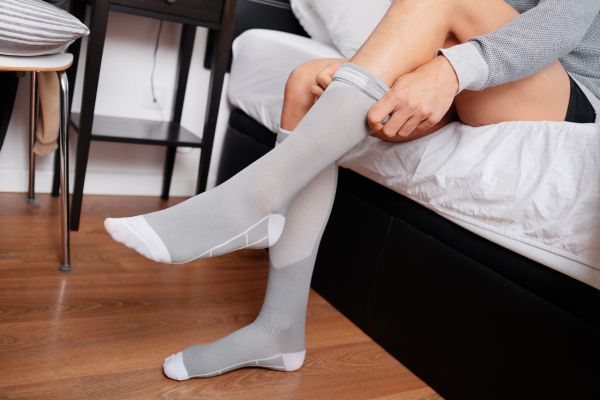
Putting them on correctly also takes some patience. Compression socks are intentionally tighter than normal socks, and first-time users sometimes assume they purchased the wrong size simply because they are harder to pull on.
Travelers who wear them regularly often develop small routines around them—putting them on before leaving home, wearing them through security, or changing into them before boarding overnight flights.
Like many travel habits, it becomes easier with experience.
Are Compression Socks Only for Older Travelers?
There is still a lingering misconception that compression socks are mainly for older adults. In reality, travelers of many ages now use them routinely.
Athletes often wear them for recovery during long flights. Pregnant travelers may use them to help reduce swelling. Younger business travelers increasingly rely on them during frequent work trips.
Even healthy individuals with no medical concerns sometimes use compression socks simply because they feel better after long flights when wearing them.
Travel habits evolve in interesting ways. People who once cared mostly about neck pillows or noise-canceling headphones now pay more attention to circulation, hydration, and physical comfort during travel.
In many ways, compression socks have become part of a broader shift toward smarter travel habits rather than purely medical accessories.
Common Mistakes Travelers Make
Some travelers wait until their legs already feel swollen before putting compression socks on. Ideally, they work best when worn before swelling begins, often before boarding or shortly afterward.
Another mistake is assuming compression socks replace movement entirely. They help circulation, but travelers still benefit from standing occasionally, stretching, flexing their calves, and staying hydrated during flights.
Wearing poorly fitted socks is another common issue. Socks that roll down or bunch up can become uncomfortable and less effective.
There is also the temptation to buy extremely cheap options without considering material quality or fit consistency. While expensive does not always mean better, poorly made compression socks can lose elasticity quickly or feel uncomfortable during long wear.
The Quiet Comfort of Feeling Better After Landing
Travelers often focus heavily on the flight itself—movies, meals, seat selection, baggage, airport timing. Yet how the body feels after landing may matter just as much.
That drained, swollen-leg feeling after a long flight can affect the first day of an entire trip. Walking through a city suddenly feels harder. Sleep becomes uncomfortable. Recovery takes longer than expected.
Compression socks for flying are not a miracle solution, but they are one of those small travel adjustments that can subtly improve the experience. Sometimes comfort comes from surprisingly practical things.
The interesting part is that many travelers only become convinced after trying them once. Before that first long-haul flight, compression socks may seem unnecessary or overly cautious. Afterward, they often end up permanently tucked into carry-on bags beside chargers and passports.
Conclusion
Long flights place real strain on the body, particularly on circulation and leg comfort. As air travel becomes more common and long-haul journeys increasingly routine, more travelers are paying attention to small habits that improve how they feel during and after flights.
Compression socks for flying have grown in popularity not because they are fashionable or trendy, but because many people genuinely notice the difference they make. From reducing swelling to easing leg fatigue, they offer a simple way to make extended travel slightly more comfortable.
They are not a replacement for movement, hydration, or overall travel wellness, but they fit naturally into those routines. And sometimes, the best travel accessories are not the flashy ones people talk about online. They are the quiet, practical items that help you arrive feeling a little more like yourself.