
Travel can be measured in miles, but often it is remembered in moments. A lantern floating into the night sky. Drums echoing through crowded streets. Families gathering in traditional dress. Food passed between strangers. These are the experiences that stay long after flight details and hotel names are forgotten.
Festivals offer a rare window into the soul of a place. They reveal values, memory, religion, humor, seasonal rhythms, and the way communities celebrate together. Some are ancient, rooted in centuries of tradition. Others continue to evolve with modern life while preserving their original meaning.
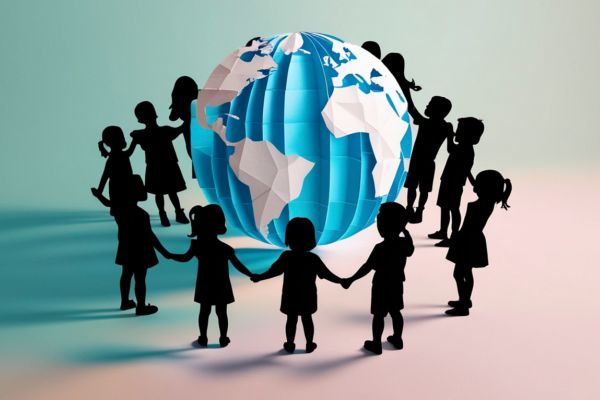
Exploring cultural festivals around the world is one of the richest ways to understand humanity itself. Though customs differ, the desire to gather, mark time, honor heritage, and share joy appears almost everywhere.
Why Festivals Matter Across Cultures
Festivals are more than entertainment. They often carry emotional and historical weight. Many celebrate harvests, spiritual milestones, national identity, or the turning of seasons. Others honor ancestors, welcome renewal, or remember moments of struggle and resilience.
They also create continuity. Children learn songs, rituals, recipes, and stories by participating beside older generations. Communities strengthen identity through repetition, year after year.
For visitors, festivals can be beautiful spectacles. For locals, they are often something deeper: memory made visible.
Diwali and the Celebration of Light
Diwali is one of the most widely recognized celebrations in the world. Known as the festival of lights, it symbolizes the triumph of light over darkness and hope over despair.
Homes are decorated with lamps, candles, rangoli patterns, and vibrant colors. Families gather for meals, gifts, prayers, and shared celebration. Fireworks often brighten the night sky.
What makes Diwali especially moving is its atmosphere. Even in busy cities, there is a sense of warmth and renewal that feels personal as well as communal.
Chinese New Year and the Turning of Time
Chinese New Year, also called Lunar New Year in many contexts, marks the beginning of a new lunar calendar year with traditions centered on family, luck, and fresh beginnings.
Red decorations, lion dances, festive meals, envelopes of money, and reunion gatherings are common elements. Travel surges dramatically as people return home to celebrate with relatives.
Like many major festivals, it combines joy with symbolism. Food choices, colors, and customs often carry wishes for prosperity, health, and happiness.
Carnival and the Power of Public Celebration
When discussing cultural festivals around the world, few images are as iconic as Carnival. Music, dance, elaborate costumes, and street energy transform the city into a living performance.
Samba schools prepare for months, sometimes all year, for processions that blend artistry, competition, and community pride. Streets fill with movement and sound.
Yet Carnival is not only spectacle. It also reflects history, identity, and the blending of cultural influences that shaped Brazil.
Oktoberfest and Shared Tradition
Oktoberfest is globally famous, but beyond popular stereotypes it remains deeply tied to Bavarian culture and hospitality.
Traditional clothing, music, food, family gatherings, and social connection all play central roles. While many know it through beer halls, there are also rides, parades, and multigenerational participation.
Its enduring appeal lies partly in togetherness. People gather not only to consume, but to belong for a while.
Holi and Joy Through Color
Holi is among the most visually recognizable festivals anywhere. Celebrants throw colored powders and water while welcoming spring and celebrating themes of renewal and love.
There is laughter everywhere. Streets become canvases of bright color and spontaneous happiness. Music and dancing often accompany the celebration.
Though famous for playful scenes, Holi also carries spiritual meaning and historical stories depending on region and tradition.
Day of the Dead and Remembering With Love
Day of the Dead offers a beautiful reminder that remembrance can be joyful rather than only mournful. Families honor loved ones who have passed through altars, flowers, candles, food offerings, and symbolic art.
Marigolds, decorated skull imagery, and family gatherings create an atmosphere both tender and vivid. Memory becomes part of public life rather than something hidden away.
It is one of the clearest examples of how festivals can hold deep emotional complexity.
Songkran and Renewal Through Water
Songkran marks the traditional Thai New Year and is known internationally for joyful water celebrations.
What may look like playful street water fights is rooted in cleansing symbolism, respect, and blessings for the year ahead. Many people also visit temples, spend time with family, and honor elders.
The combination of reverence and fun gives Songkran a distinct charm.
Eid al-Fitr and Celebration After Reflection
Eid al-Fitr comes at the end of Ramadan and is marked by prayer, gratitude, generosity, and family gatherings.
Though customs vary widely across countries, common threads include festive clothing, shared meals, charitable giving, and visits with relatives and neighbors.
It demonstrates how festivals often emerge from periods of discipline, reflection, and spiritual focus.
La Tomatina and Playful Community Energy
Some festivals are rooted more in communal fun than solemn tradition. La Tomatina, famous for its tomato-throwing event, turns ordinary streets into a playful scene of chaos and laughter.
While unusual, it reflects something universal: communities also need moments of release, absurdity, and shared joy.
Not every meaningful celebration must be serious.
How Festivals Change in the Modern World
Global tourism, social media, and commercialization have changed many festivals. Crowds can grow larger, visuals may become more curated, and traditions sometimes adapt for modern audiences.
This can create tension. Increased visibility may support local economies and cultural appreciation, but it can also risk turning living traditions into spectacles for outsiders.
Respectful participation matters. Visitors should remember they are entering someone else’s meaningful space, not simply attending a show.
What Travelers Can Learn From Festivals
Festivals teach humility. They remind visitors that there are countless ways to celebrate, mourn, pray, welcome seasons, and express identity.
They also reveal how much people share. Food, music, family, gratitude, hope, memory, and joy appear repeatedly across continents, even when expressed differently.
That recognition can soften stereotypes and widen empathy.
Conclusion
The most memorable cultural festivals around the world are not only colorful events or travel highlights. They are expressions of belonging, history, faith, resilience, and human creativity. Whether through light, dance, water, prayer, music, or remembrance, each festival tells a story about the people who keep it alive.
To witness a festival respectfully is to see culture in motion. It reminds us that while customs differ beautifully, the desire to gather and celebrate is something nearly everyone understands.