
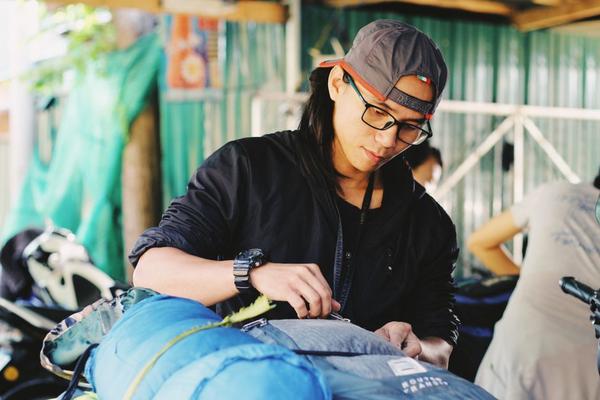
Backpacking through Europe gets much easier when every item in your bag earns its place. The goal is not to prepare for every possible situation; it is to carry enough to stay comfortable while keeping your pack light enough for train platforms, hostel stairs, cobbled streets, and budget-airline connections. Focus on versatile clothing, compact toiletries, essential documents, useful tech, and a few hostel-specific items that solve real problems without adding unnecessary weight.
For most trips, packing for about a week and planning to do laundry is more manageable than carrying an outfit for every day. The best Europe backpacking essentials are usually the things you will use repeatedly, not items packed “just in case.”
Start With the Right Backpack and Packing System
Choose a backpack you can carry comfortably when fully loaded. A front-opening or clamshell design can make hostel life easier because you can reach clothing without unpacking everything from the top. Before departure, load the bag as you plan to travel and walk with it for 20 to 30 minutes. If it already feels awkward at home, it will feel worse after a long travel day.
Use small packing cubes or fabric pouches to separate clothing, underwear, electronics, and laundry. Keep frequently used items near the top. A practical backpack travel packing list works best when you can find what you need quickly instead of emptying the whole bag every night.
Clothing: Pack for Layers, Not Every Forecast
A useful base for a multi-week trip is five or six tops, two or three bottoms, one warmer layer, one lightweight outer layer, enough underwear and socks for roughly a week, sleepwear, and one outfit that feels presentable for evenings out. Choose pieces that mix together rather than carrying separate outfits for specific days.
For light packing Europe trips, layers matter more than bulky garments. A T-shirt, thin long-sleeve layer, sweater or fleece, and packable rain shell can cover many conditions. Check the forecast for the actual cities on your route shortly before leaving, because temperatures can vary widely across Europe during the same week.
Bring comfortable walking shoes that are already broken in. A second lightweight pair can be useful for hostels and relaxed days. Avoid several pairs “for options”; shoes consume space quickly.
Toiletries and Personal Care
Keep toiletries small and replaceable. Pack a toothbrush, toothpaste, deodorant, sunscreen, basic skincare, compact hair products, and personal hygiene items you rely on. Decant products into smaller containers when practical, and check current airport security rules for liquids before flying.
A small quick-drying towel can be useful in hostels, especially where towel hire costs extra. Add adhesive bandages, blister treatment, pain relief you normally use, and any prescription medication. If you take regular medication, check the entry and documentation rules for each destination before departure.
Documents, Money, and Security
Carry the passport or travel document required for your route and keep a digital copy somewhere you can access if your phone is lost. Bring any visas, insurance details, booking confirmations, and transport information that apply to your trip. Entry rules depend on nationality and destination, so verify them through official government or consular sources.
Travel with at least two ways to access money if possible, stored separately. Keep your main card in your wallet and a backup card elsewhere in your pack. A small amount of cash can still be useful for lockers or small purchases.
A compact padlock is a classic hostel packing list item because many hostels provide lockers but expect guests to bring their own lock. A zipped cross-body bag or small day bag is useful for valuables while sightseeing.
Tech Worth Carrying
Most backpackers need a phone, charging cable, wall charger, power bank, and suitable plug adapter. A universal adapter can be convenient on a multi-country route, but check that it supports the socket types you will encounter. An adapter changes the plug shape, not the voltage, so make sure your devices are compatible with the local electrical supply.
Download offline maps, accommodation details, transport apps, and important documents before long travel days. Headphones are helpful on trains and in shared rooms. Leave a laptop or tablet at home unless you genuinely need it.
Hostel Essentials That Make Shared Rooms Easier
Pack earplugs and a sleep mask, especially if you are a light sleeper. A reusable water bottle, laundry bag, shower sandals, and foldable day bag can also make daily routines easier.
Imagine arriving at a hostel in Vienna at 10 p.m. after a long train journey. If your sleepwear, toothbrush, charger, padlock, and earplugs are buried beneath tightly packed clothes, you may have to unpack half your bag in a dark dorm. Keep a small “first-night” set near the top so you can settle in quietly within minutes.
What to Leave at Home
Skip bulky “just in case” clothes, full-size toiletry bottles, duplicate electronics, heavy guidebooks, excessive cosmetics, and several pairs of shoes. Ordinary basics can usually be purchased during the trip if something becomes necessary.
Before closing the bag, remove one complete outfit and any item you cannot clearly explain how you will use. That final edit is one of the easiest ways to keep your load manageable. It also helps to review budget travel in Europe, hostel essentials for first-time backpackers, and hand-luggage packing tips before departure.
Final Pre-Departure Check
Lay everything out once before packing. Confirm that documents are current, chargers work, medication is accounted for, shoes are comfortable, and the backpack is not packed completely full. Weigh or test-carry it and compare it with the baggage rules for every airline you plan to use.
If you can walk from a station to your accommodation without wishing you had brought less, your packing strategy is probably working.
Frequently Asked Questions
How many clothes should I pack for backpacking Europe?
Pack enough for about five to seven days and plan to wash clothes during the trip. This keeps your bag smaller while giving you enough variety for changing weather and activities.
What size backpack is best for Europe?
There is no single perfect size. Choose one that fits your body, holds your genuine essentials, and works with the baggage limits for your transport plans. Comfort and fit matter more than chasing a specific litre figure.
Do I need a sleeping bag for European hostels?
Usually not. Most established hostels provide bedding, and some may not want guests using outside sleeping bags. Check your accommodation details before packing one. A sleep mask and earplugs are generally more useful.
What should I keep in my day bag?
Carry your phone, wallet, travel documents when needed, water, power bank, weather layer, and any medication you may need during the day. Keep the load small so sightseeing remains comfortable.
Pack for the Trip You Are Actually Taking
The most useful packing list is built around your route, season, accommodation, and transport rather than a giant universal checklist. Prioritise layers, reliable footwear, essential documents, a compact toiletry kit, simple tech, and a few hostel-friendly extras. Leave room in the bag and accept that you can buy small necessities along the way. Travelling lighter makes transfers easier, shared accommodation less chaotic, and the whole backpacking experience more flexible.