
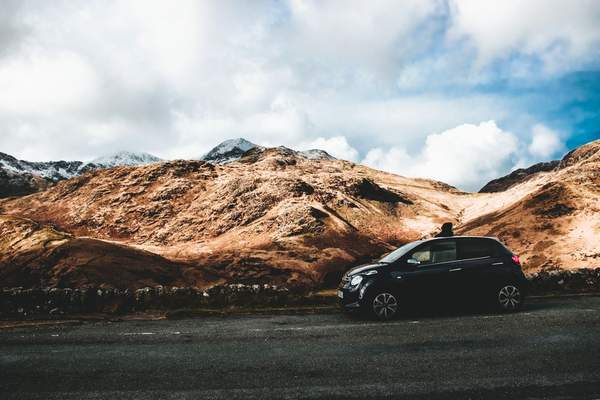
A UK road trip can look inexpensive at first because there is no airfare to buy. The surprise usually arrives later: fuel, parking, road charges, accommodation, snacks and attraction tickets can quietly turn a simple driving holiday into an expensive one. The best way to keep costs under control is to plan around the expensive parts before choosing every scenic stop.
For budget road trips UK travellers should think in spending categories rather than one vague total. A route that is slightly shorter, avoids costly city-centre driving and gives you access to supermarkets or self-catering accommodation can save more than chasing the cheapest hotel room.
Start with a realistic road trip budget
Split your budget into fuel, accommodation, parking and road charges, food, activities and a contingency amount. This makes it easier to see where the trip is becoming expensive. If your accommodation is cheap but every overnight stop requires paid parking, the apparent saving may disappear.
A useful road trip budget UK plan is to decide your maximum total spend, reserve the essentials first, then divide what remains between meals, activities and emergencies. If you have £600 for a five-night trip, for example, do not treat the whole £600 as flexible spending money.
Choose a route that saves miles, not just minutes
Fastest is not always cheapest. A navigation app may send you onto a toll road or through a charging zone to save a small amount of time. Compare alternative routes before departure, especially around major cities and river crossings. The UK has toll roads, bridges and tunnels, while some cities operate clean-air or road-user charging schemes. Check the official rules for your vehicle before travelling.
Try to group nearby attractions into the same day. Driving 20 or 30 extra miles in several directions for separate stops can add more fuel use than expected. A compact loop often works better for a cheap UK road trip than a route that zigzags between famous places.
Related reading: UK budget travel planning.
Estimate fuel before you leave
You do not need a perfect forecast, but you should have a working estimate. Take the approximate trip mileage, your car’s real-world fuel economy and a sensible fuel-price assumption. Then add a margin for diversions, traffic and local exploring.
A simple example
Imagine a 600-mile trip in a petrol car that averages 45 mpg. That is roughly 60 litres of fuel for the planned mileage. At an illustrative price of £1.50 per litre, the fuel cost would be about £91 before extra driving. The exact pump price will change, but the exercise tells you whether your route is affordable before you book anything.
Small driving habits matter too. Keeping tyres correctly inflated, removing an unused roof box, avoiding hard acceleration and combining short detours can reduce wasted fuel. For low cost driving holidays, the biggest saving is usually fewer unnecessary miles rather than trying to save pennies.
Control parking and city driving costs
Parking can become one of the least visible UK road trip costs. A hotel on the edge of a city with free parking may be cheaper overall than a lower room rate in the centre once overnight parking is added. Compare attraction prices and parking fees together as well.
When visiting a large city, consider leaving the car at your accommodation or using park-and-ride where practical. London has several road-user charging schemes, while some English cities operate Clean Air Zones. A non-compliant vehicle may face a daily charge, so check your registration using the relevant official service before finalising the route.
Related reading: saving money on UK city breaks.
Book overnight stops for total value
The cheapest bed is not always the cheapest stop. Look at parking, breakfast, kitchen access, cancellation terms and how far the property is from your next day’s route. Driving well out of the way to save a small amount on a room can be a poor trade once fuel and time are included.
Hostels, budget hotels, campsites and simple self-catering stays can all work. During school holidays or bank-holiday weekends, booking earlier may give you more genuinely low-cost choices.
Plan food before hunger makes the decisions
Food spending rises quickly when every meal is bought at a motorway service area, tourist attraction or city-centre café. Pack breakfast basics, refillable water bottles and snacks for driving days. If your accommodation has a kitchen or fridge, one supermarket stop can cover several meals.
A practical approach is to choose one meal each day to spend more on and keep the others simple. You might have supermarket breakfast food, a packed lunch and dinner at a local pub. That still gives the trip some character without turning every meal into a restaurant bill.
Mix paid highlights with free days
You do not need a ticketed attraction every day. Coastal walks, public beaches, viewpoints, parks and many museums can provide hours of sightseeing for little or no admission cost, although parking or special exhibitions may still be charged. Build your itinerary around one or two paid highlights and fill the gaps with free places that suit the route.
Spending two nights can also cut repeated driving and check-in time. It gives you more flexibility if the weather changes because you can swap a walking day with an indoor visit without moving to another town.
Related reading: free things to do in the UK.
Keep a contingency fund
Leave part of the budget untouched for the unexpected. A tyre problem, last-minute parking change, wet-weather attraction or extra meal can otherwise force you to overspend. Even a modest contingency makes the rest of the trip easier to manage.
FAQ
How much should I budget for a UK road trip?
There is no single daily figure because fuel economy, distance, accommodation style and destination make a large difference. Build your estimate from mileage, overnight costs, parking, food and planned activities, then add a contingency amount.
What is the best way to reduce UK road trip costs?
Reduce unnecessary mileage first, then compare accommodation by total cost including parking. Planning food and checking toll or clean-air charges before departure can prevent several small expenses from accumulating.
Are there toll roads in the UK?
Yes. The UK has toll roads, bridges and tunnels, and some urban areas have separate congestion or emissions-based charges. Check the official information for the exact route and your vehicle before travelling.
Is a road trip cheaper than taking the train?
It depends on the route and the number of people travelling. A car can become economical when several people share fuel and parking, but a city-heavy itinerary may be cheaper by rail once parking and road charges are included. Compare the whole journey rather than fuel alone.
Make the route fit the budget
The cheapest road trip is rarely the one with the lowest price in a single category. It is the trip where the route, overnight stops, parking, food and activities work together. Set your spending limits before departure, check driving charges, keep the mileage sensible and leave room for one or two experiences worth paying for. That keeps the trip flexible while preventing small costs from taking over.