
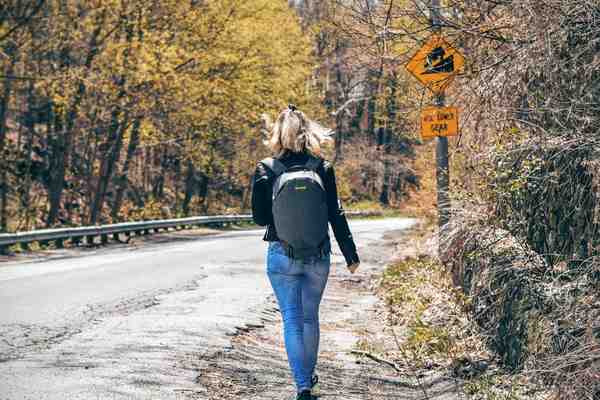
Travelling alone can be one of the most rewarding ways to see the world, but it also means there is nobody else automatically checking the booking, watching the bags or noticing when a situation feels wrong. Good solo travel safety is less about being anxious and more about building habits that reduce avoidable risks.
For UK travellers, the smartest approach starts before departure and continues through accommodation, transport, money, communication and health. These solo trip precautions work on many different kinds of trips.
Check the destination before you book
Start with the latest Foreign, Commonwealth & Development Office travel advice for every country on your route. Check entry rules, local laws, health risks, security warnings and any areas where the FCDO advises against travel. Check again shortly before departure and consider signing up for travel advice alerts.
This matters for insurance too. Some policies may not cover you if you travel against official advice, so read the terms rather than assuming you are protected everywhere.
Share a simple travel plan with someone at home
Travelling alone safely is easier when one trusted person knows roughly where you should be. Share your flight numbers, first accommodation, planned route and expected dates. Agree how often you will check in, particularly on travel days or when visiting remote areas.
A short “arrived safely” message creates a useful safety net without making the trip feel monitored.
Choose accommodation with arrival in mind
Safe accommodation tips are not just about ratings. Look at the neighbourhood, recent reviews, transport options and how you will enter the property after dark. Booking the first night ahead reduces stress when you are tired and carrying luggage.
Keep a backup option
Save the address of one alternative hotel or hostel nearby. If your booking is cancelled, the property is not as described or you feel uncomfortable, you can move without searching from the pavement with your bags beside you. Store the address offline so you can show it to a driver if mobile data fails.
Plan airport and station transfers in advance
Arrival points are where solo travellers are often most distracted. Before landing, know whether you will use a train, licensed taxi, official ride-hailing service, hotel transfer or public bus. Avoid unlicensed drivers who approach you inside or outside terminals. On trains, choose busier carriages where possible and keep important belongings close.
Split your money and payment methods
Do not keep your passport, every bank card and all your cash in one wallet. Carry one payment method for the day and keep a backup card separately. Store a small emergency amount discreetly and know how to freeze a lost card quickly.
Keep access to enough money for an unexpected hotel night or replacement transport. One of the most useful solo trip precautions is planning for the moment when your original plan stops working.
Protect your phone without depending on it completely
Your phone may hold maps, tickets, banking apps and accommodation details, so losing it can create several problems at once. Use a screen lock, enable device tracking and download offline maps. Keep your passport number, insurer details and key emergency contacts somewhere separate.
Keep your movements private when necessary
Meeting people is part of solo travel, but you do not need to tell strangers exactly where you are staying or that nobody is expecting you back. Be cautious about posting your live location publicly when it reveals your hotel or routine.
If someone asks where you are staying and the question feels intrusive, a general neighbourhood is enough. Personal safety matters more than politeness.
Use a check-in routine for nights out
Before going out, know how you will return and keep enough battery and money for the journey. Watch your own food and drinks, avoid accepting open drinks from strangers and do not leave a drink unattended.
For example, if you are staying in Barcelona and meeting new friends across the city, save your accommodation address, check the last public transport option, keep a licensed taxi alternative in mind and message your contact at home when you return. The routine takes minutes but removes several common points of failure.
Buy insurance that matches the actual trip
Solo travel insurance should cover the countries you are visiting, the length of the trip and the activities you plan to do. Declare relevant medical conditions and check exclusions. If you intend to hike at altitude, ski, hire a scooter or try adventure activities, confirm that the policy covers them.
UK travellers eligible for a GHIC or valid EHIC may be able to access medically necessary state healthcare in certain destinations, but these cards are not substitutes for travel insurance. They do not cover everything, including costs such as private treatment or medical repatriation.
Know what to do when something feels wrong
If a driver changes the route unexpectedly, accommodation feels unsafe, someone is following you or a situation becomes aggressive, act early. Move towards a staffed public place, hotel, shop, station or busy area and contact local emergency services if you are in danger.
Learn the local emergency numbers before travelling rather than assuming they are the same everywhere. Also check what consular support is available to British nationals in your destination.
Make safety part of your routine
The best solo travel safety tips are the ones that become automatic. Check the route before leaving, keep your phone charged, carry fewer valuables and give yourself permission to change plans. If a street, driver, property or social situation does not feel right, you do not need to justify leaving.
Related planning topics worth reading next include solo female travel, choosing travel insurance and preparing for your first solo trip.
Frequently asked questions
Is solo travel safe for UK travellers?
Solo travel can be safe, but no trip is risk-free. Research the destination, follow current FCDO advice, choose reliable accommodation and transport, keep someone informed of your plans and use appropriate travel insurance.
What should I carry for safety when travelling alone?
Carry a charged phone, one main payment method, a backup payment option stored separately, accommodation details, relevant emergency numbers and insurance information. Avoid carrying unnecessary valuables or large amounts of cash.
Should I share my itinerary with family or friends?
Yes. A trusted contact should know your basic route, key bookings and when to expect check-ins. This is especially useful on travel days, during outdoor activities or when you will be somewhere with limited connectivity.
Do I still need travel insurance if I have a GHIC or EHIC?
Yes. A GHIC or EHIC can help with certain medically necessary state healthcare in eligible destinations, but it is not a replacement for travel insurance and does not cover many costs that can arise during an emergency.
A safer solo trip starts with small decisions
You do not need to plan every hour to travel alone confidently. A few sensible systems create room for spontaneity: research current advice, book your first night carefully, plan transfers, split your money, stay connected and keep a backup for the essentials. Those habits make it easier to deal with problems calmly while still enjoying the independence that makes solo travel appealing.