
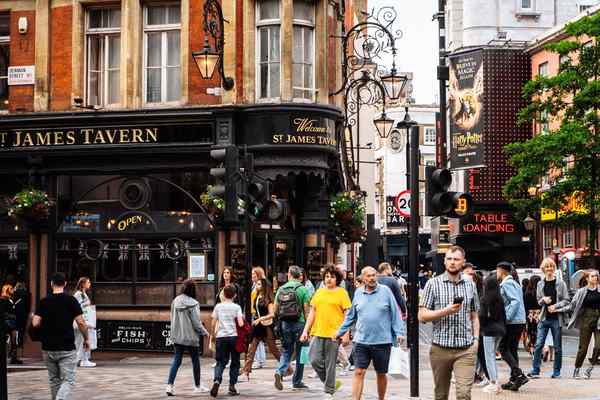
London is an excellent place to explore independently. Museums let you wander at your own pace, public transport connects the main neighbourhoods, and nobody looks twice at someone enjoying a coffee alone. Successful solo travel in London is mostly about sensible planning: stay somewhere convenient, group your sightseeing by area and give yourself time to change your mind.
Choose the Right Area to Stay
For a first London solo trip, a well-connected base is often worth more than a bargain room far outside the centre. Check the nearest station, the walking route to your accommodation and recent reviews about noise and security. Make sure you understand late check-in arrangements.
Bloomsbury and King’s Cross
Bloomsbury offers museums, bookshops and streets that are relatively calm for central London. King’s Cross and St Pancras are useful for arriving by train or taking a day trip. Both provide access to several transport routes.
Waterloo and Covent Garden
Waterloo is handy for the South Bank and theatre visits. Covent Garden places restaurants and West End sights close by, although accommodation can be expensive. Paddington is another practical base, particularly if you are travelling to or from Heathrow.
Use Public Transport Without the Stress
The Tube is useful, but do not assume you need it for every journey. Many central attractions are surprisingly close on foot. A short walk between Westminster, Trafalgar Square and Covent Garden can be more enjoyable than navigating several stations.
Most TfL journeys accept contactless cards, supported payment devices or Oyster. Touch in and out on Tube and rail services with the same card or device. On buses, touch in only. Do not switch between your phone and physical card during one journey; doing so can cause incorrect charges. Check current fares and caps with Transport for London.
Download a map for offline use and save your hotel’s full address. If you have heavy luggage or need accessible travel, use TfL’s step-free journey information rather than assuming every station has a lift.
Try This Easy First-Day Walking Route
If you are visiting London alone for the first time, spend your opening day in one recognisable area. Start at Westminster for views of Big Ben and Parliament, cross through St James’s Park, then walk to Trafalgar Square. Visit the National Gallery before continuing to Covent Garden for food and an evening stroll.
The advantage is flexibility. You can take a break in the park, stay longer with a favourite painting or end your day early. There is no need to negotiate a timetable with anyone. The route also gives you a manageable introduction to navigating central London.
Solo-Friendly Activities Beyond the Landmarks
Visit museums and galleries
The British Museum, National Gallery and Tate Modern are especially comfortable places to visit alone. Their main permanent collections are generally free, although special exhibitions may charge admission and advance booking may be recommended. Pick two or three sections that interest you rather than trying to see everything.
Mix in walks and booked experiences
The South Bank offers Thames views and plenty of stopping points. Regent’s Park provides a greener afternoon. For a change of pace, book a West End performance, guided walk or special exhibition. One scheduled activity per day adds structure without making your solo city break in London feel rigid.
How to Enjoy Eating Alone
London has cafés, food halls, takeaway counters and casual restaurants where a solo meal feels completely normal. A market lunch can be an easy option; check the opening days before travelling across town specifically for one. If you want a restaurant dinner, reserve a table for one without hesitation.
Bring a book if you enjoy reading over a meal, or choose a window seat and watch the street. Lunch is often a relaxed time to try a popular restaurant without the busiest evening crowds.
Making Evening Plans
A theatre show, film or early concert is a useful solo evening plan because you know where you are going and roughly when it will finish. Buy tickets through official venues or reputable sellers. Before leaving, check how to get back to your accommodation and whether your route involves a long walk after dark.
If transport is disrupted or you feel uneasy, consider a licensed taxi or properly booked private-hire vehicle. There is no reason to stay out late simply because the city has a busy nightlife.
Staying Safe and Feeling Confident
London attracts many independent visitors, but busy stations and tourist areas are places to watch your belongings. Keep your phone secure, especially near roads and station entrances. Do not leave bags unattended, and remain alert to distractions in crowds.
Share your broad plans with someone you trust, keep a backup payment card separate and save essential contacts outside your phone. If a street feels uncomfortable, head towards a staffed shop, station or venue. Call 999 or 112 in a UK emergency; 101 is for non-emergency police matters.
Keep Your Budget and Itinerary Realistic
Accommodation is often the biggest expense. Compare room prices with the cost and time of travelling into central London. Use free museum collections and walking routes to balance paid attractions. Give yourself an unscheduled break each day; a quiet hour can be as memorable as another landmark.
For related ideas, look up guides to free things to do in London, solo travel in the UK and what to pack for a city break.
Frequently Asked Questions
Is London good for first-time solo travellers?
Yes. Extensive transport, independent-friendly attractions and varied accommodation make it manageable. Start with a central base and a simple route rather than attempting to cover the whole city.
How long should I spend in London alone?
Three full days give you time for Westminster, riverside museums and another neighbourhood. Two days also work if you choose fewer attractions and avoid travelling back and forth across the city.
Is it safe to explore London alone at night?
Many central places are busy in the evening, but conditions vary. Choose routes you have checked, keep valuables secure and plan the journey home before heading out.
Can I travel solo in London on a budget?
Yes. Free collections, parks, public transport and casual meals can help control costs. Book accommodation carefully and avoid paying for attractions you are not genuinely interested in.
Explore at Your Own Pace
The best part of a London solo trip is being able to follow your own interests. With a convenient base, a few walkable routes and realistic evening plans, you can feel prepared without losing that freedom. Leave room for a spontaneous museum visit or an extra coffee: those unplanned moments often make the trip.