
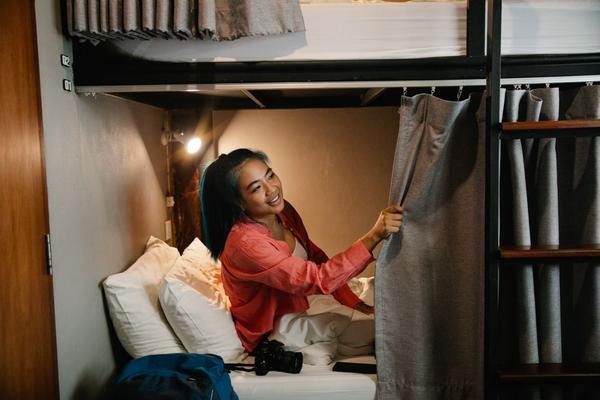
Choosing solo travel accommodation is about more than finding a bed within your budget. Your choice affects how easily you explore, whether you meet other travellers and how comfortable you feel returning after dark. A cheap room can become frustrating if it is far from transport or difficult to access at night.
The useful question is not simply “Which property has the best rating?” It is “Which place will make this particular trip easier?” Consider your schedule, preferences and arrival plans before comparing listings.
Start With the Kind of Trip You Want
On a short city break, a convenient base near transport might matter more than a large room. On a longer trip, laundry, a kitchen and somewhere comfortable to spend an evening can become priorities. If you work remotely, reliable Wi-Fi and a quiet space deserve attention.
Think about your energy too. Some solo travellers enjoy chatting over breakfast; others value privacy after sightseeing. Your accommodation should support your preferred pace rather than somebody else’s idea of solo travel.
Check the Location Before the Photographs
Where to stay on a solo travel trip often comes down to the neighbourhood. A central address is useful only if it is close to your planned activities. Check a map for the nearest transport stop and routes to the airport, station and attractions.
Consider lighting, nearby shops and transport options for returning in the evening. Street-level map images offer clues, but may be outdated, so combine them with recent reviews and local advice. Avoid judging an entire neighbourhood from one comment.
Try an Arrival Test
Imagine your flight lands at 10:30 p.m. A budget guesthouse requiring a long transfer, with no staffed late check-in and an extra arrival fee, may be inconvenient. A slightly dearer hotel beside an airport connection could be better value. Check reception hours and the actual route before booking.
Compare Different Types of Accommodation
Hostels: Sociable, but Not All Alike
Hostels can make meeting people easier through shared kitchens, lounges and group activities. Dormitory beds may cost less than private rooms, although prices vary. A party hostel feels very different from a quiet property with communal dinners. If you want company but also privacy, consider a hostel offering private rooms.
A guide to choosing a hostel for solo travel can help you compare dorm layouts, shared spaces and atmosphere in greater detail.
Hotels and Guesthouses: More Personal Space
Hotels may suit travellers who prioritise a private bathroom, quieter nights or staffed reception. Smaller guesthouses can offer local recommendations, but facilities vary. Never assume breakfast, overnight staffing or luggage storage is included. Compare actual services, not just property labels.
It also helps to compare hotels versus hostels for solo travellers, particularly when the price difference is small.
Rentals and Homestays: Flexibility With Extra Homework
A rental may appeal on longer stays when you want a kitchen or workspace. Homestays can offer local interaction, although privacy arrangements differ. Check who can access the property, how keys are collected, what areas are shared and whether extra fees change the price.
Read Reviews for Patterns, Not Just Stars
A high overall score is a starting point, not a promise. Read recent reviews from people travelling alone and look for recurring details. Consistent praise for helpful staff, cleanliness and accurate descriptions matters more than vague compliments. Repeated complaints about locks, noise or unexpected charges warrant attention.
Separate preferences from practical issues. Someone else’s “too quiet” hostel might be perfect for you, but a locker that does not work is a concern. Check which room type reviewers occupied: feedback about private rooms may not describe the dorms.
Look for Practical Security Arrangements
When seeking safe accommodation as a solo traveller, focus on what you can verify. Do rooms lock properly? Are individual lockers provided in dorms? How are visitors admitted? Is there a clear contact procedure if you arrive late? Ask whether you must bring your own padlock.
Secure valuables instead of leaving them unattended in shared spaces, and consult official destination-specific travel advice. No accommodation type eliminates every risk. Choose a place with arrangements you understand and feel comfortable using.
Choose Your Social Atmosphere Deliberately
Travelling alone does not require constant socialising. If meeting people matters, look for mentions of communal meals, walking tours or welcoming common rooms. If rest comes first, check comments about street noise, thin walls and quiet hours.
You can also vary your solo trip lodging between destinations: a friendly hostel for one city and a private room after an overnight journey. The best choice can change from stop to stop.
Calculate the Whole Cost
Compare final prices, including taxes, cleaning charges and extras for bedding, towels or breakfast. Factor in transport too. Saving on a nightly rate loses its appeal if you frequently need costly rides to reach your accommodation.
Read cancellation deadlines, deposit terms and late-arrival policies carefully. Keep booking details and directions available offline. When plans are uncertain, a refundable option may be worth paying more for.
Check Your Room and Arrival Details Before Paying
Verify the exact room category, bathroom arrangements, stairs or lift access, heating or cooling where necessary, and any accessibility needs. For a dorm, confirm the number of beds and available locker space. For a rental, clarify whether facilities are shared.
If anything essential remains unclear, message the property before confirming. A solo travel packing checklist can also help you remember a suitable padlock, power adapter and other small necessities.
Frequently Asked Questions
Is a hostel or hotel better for solo travel?
A hostel often suits people seeking social activities and shared facilities; a hotel may better suit those wanting privacy. Compare the location, recent reviews, security arrangements and total cost for your dates rather than assuming either is always better.
How do I choose accommodation for my first solo trip?
Prioritise clear arrival instructions, convenient transport, recent guest feedback and a room type you feel comfortable with. A straightforward first-night booking can make settling into a new destination easier.
Should I book solo travel accommodation in advance?
Booking ahead helps when arriving late, visiting during a busy event or travelling where options are limited. If your itinerary may change, consider flexible cancellation terms before committing.
What matters most when booking on a budget?
Look beyond the advertised nightly rate. Convenient transport, useful facilities and transparent fees can make a moderately priced place better value than a cheaper option with hidden costs.
Choose What Makes Your Trip Easier
The right place matches your route, budget, need for rest and appetite for company. Compare locations first, read reviews with your priorities in mind and confirm security arrangements and total costs. Once those essentials align, you can focus on exploring rather than worrying about where you will sleep.