
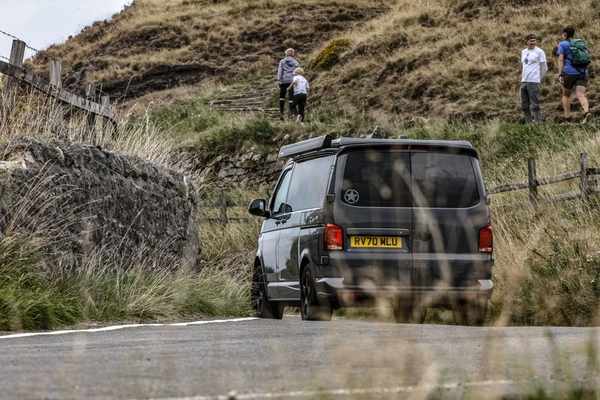
The best family road trips in the UK are rarely the ones that cover the most miles. They are the journeys where a beach, castle or picnic stop arrives before everyone has had enough of the car. A good route needs attractive scenery, realistic driving stages, useful places to pause and enough flexibility for tired children or changing weather.
For a UK road trip with kids, plan around time spent sitting rather than the number of destinations on your map. Two short stages with an enjoyable stop between them can make a better holiday than an ambitious cross-country dash.
Choose a Route That Works for Your Family
Start by considering how long your children comfortably spend in the car. A toddler who needs frequent movement breaks will shape a different itinerary from teenagers happy with a longer motorway journey. Your starting point matters, too. A beautiful route can lose its appeal if reaching it requires an exhausting first day.
Choose one main attraction per day and treat anything else as a bonus. For a weekend, staying in one base means less packing and fewer check-in deadlines. For longer family driving holidays, changing accommodation every two or three nights provides variety without constant upheaval.
Four Family-Friendly UK Route Ideas
Norfolk Coast: Wells-next-the-Sea to Cromer
North Norfolk suits families who prefer short hops between beaches and towns. Wells-next-the-Sea provides a starting point, while Sheringham and Cromer offer seaside walks further east. Make one beach visit the day’s main event instead of attempting every village in one afternoon.
Beach parking can fill during summer holidays. Arrive early, check tide information before coastal walks and keep spare clothes accessible.
Peak District: Bakewell and Castleton
The Peak District offers a compact break with varied stops. Base yourself near Bakewell, then explore Castleton or try a countryside walk suited to your children’s ages. A wet-weather café visit can replace a longer walk without spoiling the plan.
Remember that journeys through the hills may involve winding roads and limited parking. Allow extra time rather than trusting the shortest map route.
North Wales: Conwy, Llanberis and Caernarfon
North Wales combines historic towns with mountain scenery. Conwy and Caernarfon provide castle outings, while Llanberis makes a useful base for the Eryri area. Spread visits across several days and give children time outdoors between attractions.
Mountain weather can change quickly, and popular car parks become busy. Check forecasts and access arrangements before setting off. Keep a lower-level alternative for poor conditions.
Scotland: Stirling, Callander and Loch Lomond
A route linking Stirling with Callander and the Loch Lomond area offers woodland scenery and loch views. Choose a short nature trail, picnic location or lakeside stop rather than adding a demanding hike to a driving day.
Scottish A-roads may be slower than expected. Check route times, leave daylight for unfamiliar roads and avoid a long transfer after an active afternoon.
Build Driving Stages Around Useful Stops
Think of each break as part of the holiday, not a delay. The Highway Code recommends at least 15 minutes’ break after every two hours of driving to help manage driver fatigue. Families may need to stop sooner, especially with young children. If the driver feels sleepy, stop safely.
Good road trip stops in the UK include parks near the route, visitor centres, playgrounds and service areas with suitable facilities. A twenty-minute playground visit may improve everyone’s mood more than a rushed petrol-station stop.
Check whether a planned stop has toilets, parking and suitable opening hours. Save another option nearby in case the first is closed or full. On motorways, use proper services; never stop on the hard shoulder for an ordinary break.
What a Comfortable Travel Day Looks Like
Imagine travelling to a North Wales base with a navigation estimate of three hours. Instead of telling the children they will arrive in three hours, budget around four or five including a relaxed break, traffic and unloading. Leave after breakfast, stop at a park or services roughly halfway and reach your accommodation before evening if possible.
Keep the next day’s schedule simple: one destination, such as Conwy Castle, and a flexible afternoon. This separates the tiring journey from sightseeing. A family holiday packing checklist also helps avoid a frantic last-minute departure.
Make the Car Comfortable Without Overpacking
Keep water, wipes, tissues, spare clothing, sick bags and snacks where an adult passenger can reach them without unbuckling. Offer audio stories, music or travel games. Download entertainment before entering rural areas with unreliable mobile reception.
Pack the boot so luggage does not bury coats or a pushchair. Secure belongings because loose objects can be hazardous in sudden braking. Keep the driver’s view clear, and agree that a dropped toy must wait until the next safe stop.
Children normally need an appropriate car seat until they turn 12 or reach 135 cm, whichever comes first. Use a restraint suited to their size and follow the fitting instructions. For younger passengers, a guide to travelling with toddlers can help tailor breaks and supplies.
Plan for Traffic, Weather and Unexpected Changes
Before leaving, check roadworks, traffic information and forecasts for the actual route. National Highways publishes planned closures on England’s major roads, while Traffic Scotland provides trunk-road information. Check the relevant local traffic service for other roads, and review conditions before each major stage.
Consider fuel or charging needs, particularly in rural areas. If travelling in an electric car, find more than one suitable charger near your planned stop. A family travel budget planner can help cover parking, meals and attraction costs as well as fuel.
Leave an unscheduled hour in each day. It might become an extra beach visit, a slower lunch or an early return when everyone is tired. Flexibility often makes the difference between a pleasant road trip and a race against the clock.
Frequently Asked Questions
How many hours should a family drive in one day?
There is no single limit that suits every family. Short stages leave more time for sightseeing. If a longer transfer is unavoidable, allow generous breaks and stop whenever the driver needs rest or children need attention.
How often should you stop on a UK road trip with children?
Plan around children’s needs rather than a rigid mileage target. The Highway Code recommends at least a 15-minute break after every two hours of driving, but young children may need more frequent pauses.
Which UK road trips suit younger children?
Compact regions such as the Norfolk coast or Peak District offer attractions within relatively short driving distances. Staying in one accommodation base also simplifies naps, meals and bedtimes.
Should every stop be booked in advance?
Book essential accommodation and timed-entry attractions, especially during school holidays. Leave cafés, viewpoints and play breaks flexible, with backup options for crowds or rain.
Make Room for the Unexpected
Successful family road trips in the UK balance enjoyable destinations with manageable time in the car. Choose a region, build in rewarding breaks and resist filling every hour. If the children remember an unexpected playground or extra hour by the sea, the plan probably worked.