
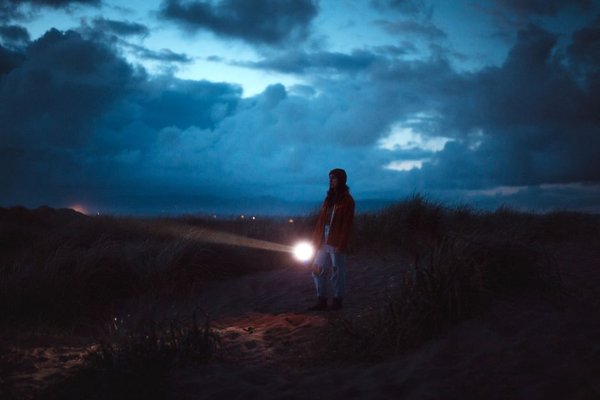
Exploring a new city after sunset can be one of the pleasures of travelling alone. It can also be the moment when a straightforward route becomes confusing: shops close, train services thin out and streets that felt lively in daylight become quiet. Solo travel at night safety starts before you leave your accommodation, not when you realise you are lost.
The aim is not to avoid every evening outing. It is to make choices while you still have time, battery power and several ways to get home.
Plan Your Return Before Going Out
Check both the outward journey and the route back. Find out when the last train or bus runs, whether your accommodation’s entrance is staffed after hours and which roads remain active in the evening. Maps are useful for distance, but they cannot reliably tell you how well lit or populated a street will be.
Ask accommodation staff for current local advice and review official destination travel guidance. Neighbourhood conditions vary, so recommendations about an entire city may not answer whether a particular walk is sensible after midnight.
Choose a backup route, not just a shortcut
Prefer familiar main roads with lighting, businesses and clear crossings over isolated parks or alleys. Decide in advance when you will switch to arranged transport. For example, if the final bus is cancelled, return to the staffed station and request a reputable ride rather than walk through an empty industrial area.
Walking Alone at Night While Travelling
When walking alone at night during travel, pay attention to your surroundings without constantly looking over your shoulder. Keep a comfortable pace, notice open businesses where you could ask for help and avoid routes that leave you without an easy way back to a populated street.
Traffic can be as significant a risk as crime. Poor street lighting, unfamiliar driving habits and uneven pavements make it harder to judge crossings. Use designated crossing points where possible and never assume a driver has seen you. If a route suddenly feels unsuitable, change course; the map’s shortest line is not an instruction.
Keep Your Phone Useful Without Staring at It
Check directions before setting off, then glance at the map from a safe, well-lit stopping point rather than walking with your eyes fixed on the screen. Keep headphones off or low enough to hear approaching vehicles and people. In places where phone theft is a concern, avoid holding your device out continuously.
Charge your phone, save offline maps and store your accommodation’s full address before leaving. Learn the local emergency number and carry some essential details separately from the device. A power bank helps with a low battery, but it cannot replace a backup plan when coverage or navigation fails.
Choose Transport That Fits the Destination
Evening travel safety does not mean one transport method is always best. In some destinations, a licensed taxi booked through your hotel is recommended; in others, a reputable ride-hailing service or a staffed transit route may work well. Government travel advisories and credible local sources can help you assess the choices.
Before getting into a booked vehicle, compare the registration, car description and driver information with your booking. Do not enter an unverified car because someone claims to be your driver. Use any available pickup PIN or trip-sharing feature, wear a seatbelt and decline a journey with an apparently impaired driver.
Wait for transport where there are people and adequate lighting. Check service schedules before an evening event, particularly where public transit ends early. If a train is cancelled, stay near staffed areas while arranging the next option rather than wandering between deserted stops.
Make the Last Five Minutes Home Easier
The return to your accommodation deserves its own plan. Save the entrance location, not only the street address. Check whether a side door closes, whether reception operates overnight and what to do if a digital key stops working. This matters especially at self-check-in apartments and smaller guesthouses.
Imagine leaving a concert at 11:30 p.m. and finding your guesthouse’s usual gate locked. Instead of circling unfamiliar alleys to find another entrance, call the property from a nearby open venue. Confirm the correct access point and, if necessary, arrange a ride to that entrance.
For broader preparation, a solo travel packing checklist and an accommodation safety checklist are natural companions to these evening habits. They can help you organise backup charging, essential addresses and arrival arrangements before the trip begins.
Stay Comfortable and Alert During Social Evenings
Meeting people is part of solo travel, but you do not owe new acquaintances your room number, exact address or itinerary. Keep your drink in sight, accept beverages from trustworthy sources and be mindful of alcohol consumption. Fatigue or intoxication can make transport problems and unfamiliar routes harder to handle.
Respond Early When Something Feels Wrong
If you think someone is following you, move toward a busy, staffed place rather than heading directly to your accommodation. Ask staff for help and contact local emergency services if you feel threatened. Avoid confrontation if it could escalate the situation. The priority is reaching safety, not proving that your concern was justified.
If you become lost, stop at an open business or staffed transport hub to confirm your route. If your phone is stolen, concentrate on getting help and securing access to your accounts later. Carry a backup contact and a separate payment option where practical.
A solo travel safety checklist can also help you prepare emergency contacts and document copies before departure. For night safety, a solo traveller benefits most from a realistic fallback: a safe place to wait, a trusted way to travel and someone to contact when plans change.
Finish the Evening With a Simple Routine
Before leaving any venue, check your route, transport operating hours, phone battery and accommodation access. Take a moment to decide where you will go if the original plan fails. Good preparation should feel manageable, not like a complicated set of rules that stops you enjoying the trip.
Conclusion
Safer nights abroad often come down to ordinary choices: taking a well-used street, verifying a ride, keeping a charged phone and adjusting your route when conditions change. Independence does not require taking avoidable risks. Choosing the easier, more secure journey home is part of travelling confidently alone.
Frequently Asked Questions
Is walking alone at night safe while travelling?
It depends on the destination, specific area and time. Check current local guidance and choose populated, well-lit routes. Use appropriate transport when the only walking route is isolated.
Are taxis safer than public transport at night?
Not universally. Safety varies by destination and operator. Follow official local travel advice and use licensed, verifiable services rather than informal offers.
What should I do if my phone dies?
Use your separately stored accommodation address and emergency details. Seek help from a staffed business or transport location instead of guessing your route through unfamiliar streets.
How can I feel more confident returning alone?
Plan your journey home in advance, identify an alternative transport option and arrange a check-in if useful. Knowing what to do when plans change can reduce uncertainty.