
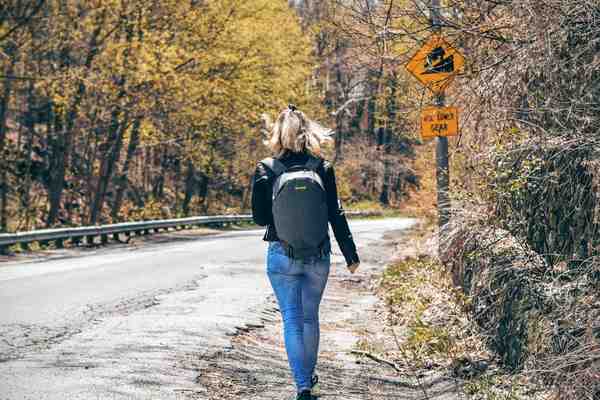
Travelling alone can be deeply rewarding, but it also means you are your own planner, navigator and first line of support when something goes wrong. Good solo travel safety is less about being anxious and more about reducing avoidable risks. A few sensible habits can make unfamiliar streets, transport, accommodation and nights out far more manageable.
Start with destination research, not fear
Before booking, check official government travel advice for your destination and look beyond headline-level warnings. Pay attention to local laws, common scams, transport guidance, neighbourhood-specific concerns and any areas visitors are advised to avoid. Conditions can change, so check again shortly before departure.
Learn the local emergency numbers, the address and phone number of your accommodation, and the location of a nearby hospital or clinic. Save these details offline as well as in your phone. If you will be crossing borders or travelling somewhere remote, keep a digital and paper copy of key documents separate from the originals.
Share enough of your plans with someone you trust
Travelling alone safely does not mean reporting every movement. It does mean making sure somebody can raise the alarm if you unexpectedly disappear from contact. Share your flight or train details, accommodation information and a rough itinerary with a trusted person at home. Agree on a simple check-in routine that suits the trip.
A practical approach is to message when you change cities or arrive at a new hotel rather than trying to provide constant updates. If you plan a long hike, late-night journey or remote excursion, send the route, operator details and expected return time before you leave.
Choose accommodation with arrival and access in mind
Price and reviews matter, but location can affect safety just as much. Check how you will reach the property, especially after dark, whether reception is staffed, how guests enter the building, and whether recent reviews mention access, lighting or security concerns.
Once inside your room, make sure doors and windows lock properly. Do not announce your room number in public areas, and avoid leaving passports, spare bank cards or large amounts of cash visible. A small amount of preparation here can prevent a minor oversight becoming a major disruption.
Use transport with a clear verification habit
Transport can feel uncertain when you are tired, carrying luggage and unfamiliar with the area. At airports and stations, favour official taxi ranks, licensed operators or established ride-hailing services where available. Confirm the vehicle registration and driver details before getting in when the service provides them.
If a driver asks you to change to an unverified vehicle or directs you away from the official pickup arrangement, stop and reassess. You do not need to be polite at the expense of your comfort. During longer journeys, keep your main valuables with you rather than in an unattended outer pocket or easily opened bag.
Plan nights out before the evening starts
Solo trip precautions matter most when judgement may be affected by tiredness, alcohol or pressure from strangers. Decide how you will get back to your accommodation and keep enough battery and money for the journey. Avoid accepting open drinks from strangers or leaving your drink unattended.
For example, imagine you meet a friendly group at a bar and they suggest moving to another venue across town. Before going, check the destination yourself, confirm how you can return independently, and send the new location to your trusted contact. That takes less than a minute but gives you more control if the evening changes unexpectedly.
Protect money, documents and your phone
Do not keep every payment method in one place. Carry one bank card and store a backup separately. Keep only the cash you expect to need that day within easy reach. In crowded areas, use a closed bag and avoid placing a phone loosely in an outer pocket.
Your phone is also a safety tool, so prepare it accordingly. Download offline maps for the areas you will visit, save your accommodation address, and enable a secure screen lock. A compact power bank can be useful on long travel days, particularly when tickets, directions and transport bookings are stored digitally.
For more preparation ideas, a guide to solo travel packing essentials can sit naturally alongside this topic. A separate piece on travel insurance basics can also help readers understand what to check before buying cover.
Trust discomfort early rather than waiting for proof
You do not need to justify leaving a situation that feels wrong. If somebody is overly persistent, a street suddenly feels deserted, or an arrangement changes in a way you did not expect, move towards a staffed public place and reconsider. Early action is usually easier than trying to solve a problem after you are already isolated.
Confidence while travelling alone comes from having options. Know where you can go, who you can contact and how you can leave. That mindset is more useful than trying to predict every possible danger.
Have a simple emergency plan
Before departure, know how you would respond to the most disruptive problems: a lost passport, stolen phone, cancelled transport, illness or missed connection. Keep emergency funds accessible, store important account contacts securely, and know how to reach your embassy or consulate if travel documents are lost or stolen.
If you have travel insurance, keep the policy number and assistance contact details somewhere you can access without your main phone. For medication, carry enough for the trip where permitted and keep essential prescriptions in original labelled packaging when appropriate. Rules vary by destination, so check official guidance before travelling.
FAQ
Is solo travel safe for first-time travellers?
It can be, provided the destination and itinerary match your experience and comfort level. First-time solo travellers often benefit from well-connected places, straightforward transport and accommodation with consistently strong recent reviews.
What is the most important solo travel safety tip?
Stay aware of your options. Know how you will get back to your accommodation, keep communication available, and leave situations early if they make you uncomfortable. No single gadget replaces good judgement and preparation.
Should I tell strangers that I am travelling alone?
You do not need to share that information. If a conversation makes you uneasy, it is reasonable to imply that you are meeting friends or that someone is expecting you. You are not obliged to disclose personal travel details.
How can I avoid looking vulnerable when I am lost?
Step into a shop, hotel lobby, café or other staffed public place before checking directions. Downloading offline maps in advance also helps you navigate without standing on the street with your phone out for long periods.
Travel confidently by keeping your options open
The best solo travel safety tips are practical rather than dramatic: research the destination, verify transport, protect access to money and communication, plan your return journey, and keep someone informed when it matters. These habits do not remove every risk, but they make problems easier to avoid and easier to handle. A useful next read would be a guide to planning your first solo trip, especially for travellers who want to turn basic safety habits into a complete, confident itinerary.