
A Gentler Way To See The World
Travel has always carried a kind of magic. A road through the mountains, a quiet beach at sunrise, a forest trail that smells of rain and leaves, these things stay with people long after the trip is over. But modern travel also comes with a difficult truth. Flights, hotels, waste, over-tourism, and careless development can leave a heavy mark on the very places travelers hope to enjoy.
That is where eco-lodges around the world have become more than just an accommodation trend. At their best, they offer a slower and more thoughtful way to experience nature, culture, and place. They are not simply “green hotels” with a few plants in the lobby. A true eco-lodge tries to work with its environment instead of against it. It respects local communities, uses resources carefully, and invites guests to notice the land rather than rush through it.
What Makes An Eco-Lodge Truly Sustainable
The word “eco” is used often, sometimes too easily. A lodge may sit near a forest or use bamboo furniture, but that alone does not make it sustainable. A genuine eco-lodge usually considers energy, water, waste, construction, food sourcing, wildlife protection, and community impact.
Many eco-lodges use solar power, rainwater collection, composting systems, and natural ventilation instead of heavy air conditioning. Some are built with local materials so the property feels like part of the landscape, not something dropped onto it. Others support conservation projects, employ local guides, or help protect nearby forests, reefs, wetlands, or wildlife corridors.
The most meaningful eco-lodges also understand that sustainability is not only about nature. It is also about people. If tourism benefits visitors but pushes local residents aside, it is not truly responsible. The best places create jobs, respect local knowledge, and allow communities to remain connected to their own land and culture.
Rainforest Retreats And The Feeling Of Being Small
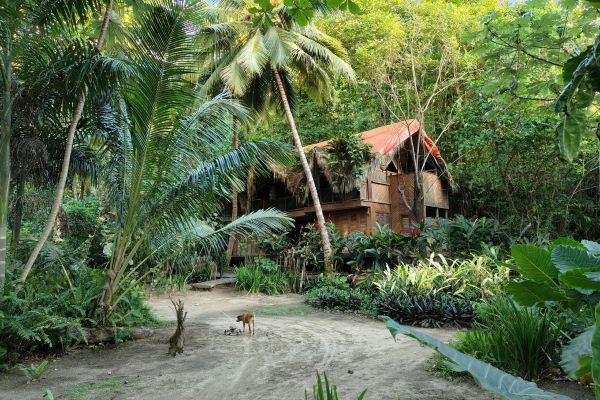
Rainforest eco-lodges offer one of the clearest examples of responsible travel done well. In places like Costa Rica, Ecuador, Borneo, and parts of the Amazon basin, lodges are often surrounded by thick green life. The air feels alive. Birds call before sunrise. Rain arrives suddenly, then disappears just as fast. At night, the forest seems to breathe.
Staying in a rainforest eco-lodge is not usually about luxury in the traditional sense. The real richness is the experience of being close to nature without demanding too much from it. A simple cabin with screened windows, a guided walk with a naturalist, or a meal made from local produce can feel more memorable than a polished resort.
These lodges can also play a role in protecting land. In some regions, eco-tourism provides an economic reason to preserve forests rather than clear them. It is not a perfect solution, of course, but when done carefully, it can make conservation practical for the people who live nearby.
Desert Eco-Lodges And The Beauty Of Less
Deserts teach a different lesson. They are quiet, exposed, and often misunderstood. At first glance, they may seem empty, but spend one evening in a desert landscape and that idea disappears. The colors change by the minute. The temperature drops. The sky opens wide.
Eco-lodges in desert regions, from North Africa to the Middle East, Australia, and the American Southwest, must think carefully about water and energy. Good desert lodges are often designed around shade, airflow, and minimal water use. They may use earth-based construction, solar power, and low-impact lighting to protect dark skies.
The experience is usually about simplicity. There may be fewer distractions, fewer built comforts, and fewer unnecessary extras. That can be the point. A desert eco-lodge reminds travelers that comfort does not always need excess. Sometimes it is a cool room after a hot afternoon, a shared meal, and silence deep enough to hear yourself think.
Island Eco-Lodges And Fragile Coastal Worlds
Island destinations are often marketed as escapes, but islands are also highly vulnerable. Waste disposal, freshwater supply, reef damage, and rising sea levels all make coastal tourism complicated. This is why eco-lodges on islands and near marine environments carry a special responsibility.
In places such as Indonesia, the Maldives, the Caribbean, Fiji, and parts of East Africa, responsible lodges often focus on reef protection, responsible diving, plastic reduction, and careful water management. Some support marine conservation or help restore mangroves, which protect coastlines and provide habitat for young fish.
A thoughtful island eco-lodge does not treat the ocean as a backdrop. It treats it as a living system. Guests may learn why sunscreen choices matter, why coral should never be touched, or why local fishing traditions deserve respect. These small lessons can change how people travel long after they leave.
Mountain Lodges And Local Life
Mountain eco-lodges have their own rhythm. The air is thinner, the paths are steeper, and daily life often follows the weather. Whether in the Himalayas, the Andes, the Alps, or the highlands of Africa, mountain communities have long adapted to difficult landscapes with patience and skill.
Responsible mountain lodges often depend on local guides, farmers, builders, and cooks. They may serve regional food, use traditional architecture, and encourage guests to move slowly through the landscape instead of treating it like a checklist. This matters because mountain areas can be damaged by careless trekking, unmanaged waste, and poorly planned development.
A good mountain eco-lodge helps visitors understand that the view is not the whole story. Behind every trail are people, animals, crops, seasons, and histories. Traveling responsibly means noticing all of it.
Wildlife Experiences Without Disturbing The Wild
Many travelers are drawn to eco-lodges because they want to see wildlife. That desire is natural, but it needs care. Animals are not props, and nature is not a stage arranged for visitors. The most responsible eco-lodges set clear boundaries around wildlife viewing.
They avoid feeding animals, chasing sightings, or creating stressful encounters. Guides keep distance, explain behavior, and remind guests that not seeing an animal is part of being in nature. This may sound less exciting than guaranteed sightings, but it is far more honest.
In Africa, South Asia, Latin America, and other wildlife-rich regions, eco-lodges can support conservation by funding protected areas, employing trained local guides, and discouraging harmful tourism practices. The best wildlife experience is not the closest one. It is the one where the animal remains wild after the traveler has gone.
How Travelers Can Choose More Carefully
Finding eco-lodges around the world requires a little more attention than booking a normal hotel. Travelers should look beyond attractive photos and soft green language. It helps to ask practical questions. How does the lodge manage waste? Where does its food come from? Does it hire locally? Does it explain its conservation work clearly? Is the property built in a way that respects the landscape?
Certifications can be useful, though they are not the whole answer. Some small, community-run lodges may not have expensive international certifications but still operate with deep care. On the other hand, some polished properties may use sustainability language without changing much behind the scenes.
The goal is not perfection. Travel always has an impact. The better question is whether a place is trying seriously to reduce harm and create local benefit.
The Real Value Of Staying In An Eco-Lodge
The most lasting thing about an eco-lodge is rarely the room itself. It is the feeling of connection. You may remember waking to birdsong, eating something grown nearby, walking with a guide who knows every plant by its local name, or realizing how dark the night sky can be without city lights.
Eco-lodges encourage travelers to pay attention. They slow the pace and make the destination feel less like a product. In a world where travel is often rushed, photographed, and consumed quickly, that kind of attention is valuable.
A More Responsible Future For Travel
Eco-lodges around the world show that travel can be more thoughtful without losing its wonder. In fact, responsible travel often feels richer because it asks visitors to engage with a place rather than simply pass through it.
A good eco-lodge does not separate comfort from responsibility. It proves that beauty, culture, wildlife, and local life can be experienced with care. The future of travel will depend on choices like these, small decisions made by travelers, lodge owners, communities, and guides.
To stay in an eco-lodge is not just to sleep closer to nature. It is to remember that every journey leaves something behind. The hope is to leave respect, support, and a lighter footprint.